| Prevodi || Titlovi || Преводи || Podnapisi || Prijevodi |
Nogometni stadioni |
Odgovori 
|
Stranica 12> |
| Korisnik | ||||||||||||||||||||||||||||||||||||||||||||||||||||||||||||||||||||||||||||||||||||||||||||||||||||||||||||||||||||||||||||||||||||||||||||||||||||||||||||||||||||||||||||||||||||||||||||||||||||||||||||||||||||||||||||
juve eterno amore 
Profil člana
Pronađi sve prevode
Pošaljite privatnu poruku
Pronađi postove člana
Dodaj na listu prijatelja
Active member 
Pridružen: 06.Ožujak/Mar.2010 Lokacija: Zagreb=Torino Status: Offline Points: 335 |
 Opcije posta Opcije posta
 Thanks(0) Thanks(0)
 Citiraj Odgovor Citiraj Odgovor
 Tema: Nogometni stadioni Tema: Nogometni stadioniObjavljeno: 17.Travanj/Apr.2010 u 18:52 |
|||||||||||||||||||||||||||||||||||||||||||||||||||||||||||||||||||||||||||||||||||||||||||||||||||||||||||||||||||||||||||||||||||||||||||||||||||||||||||||||||||||||||||||||||||||||||||||||||||||||||||||||||||||||||||
Allianz ArenaIzvor: Wikipedija
Allianz Arena iz zraka, malo prije završetka radova (siječanj 2005.)
Allianz Arena je jedan od najmodernijih stadiona na svijetu smješten u sjevernom dijelu Münchena. Tvrtka Allianz je kupila pravo da stadion nosi njeno ime sljedećih 30 godina. Kada se igraju utakmice Lige prvaka stadion nosi ime München Arena, a za vrijeme Svjetskog prvenstva u nogometu, stadion je nosio ime FIFA WM-Stadion München, zbog zabrane FIFE da stadioni koriste imena nekog sponzora. Dva profesionalna nogometna kluba iz Münchena se koriste ovim stadionom, FC Bayern München i TSV 1860 München od sezone 2005./06. Prije toga su oba kluba koristila Olympiastadion (Olimpijski stadion).
Specifikacije stadiona [uredi]Lokacija Arene [uredi]Arena je smještena na sjevernom rubnom dijelu grada na poljani Fröttmaning. S gradskom mrežom javnog prijevoza povezana je podzemnom željeznicom, udaljena svega 16 minuta vožnje od središta grada. U neposrednoj blizini se nalazi i važan prometni čvor autocesta "München-Nord", pa je tako stadion lako dostupan iz svih važnijih cestovnih pravaca (Stuttgart, Nürnberg, Regensburg i Salzburg). Na prilazima stadionu prometnice su proširene na 4 prometna traka, a izgrađen i poseban prilaz stadionu. Kapacitet [uredi]16. siječnja 2006. godine, grad München je odobrio proširenje kapaciteta sa 66.000 mjesta na 69.901 (uključujući tribinu bez sjedećih mjesta). U nižem dijelu tribina, kapacitet je 20.000 sjedećih mjesta. U srednjem dijelu tribina, kapacitet je 24.000, a na višem dijelu kapacitet je 22.000 sjedećih mjesta. Uglovi donjeg dijela tribine mogu biti postavljeni tako da omogućuju dodatnih ukupno 3.120 stojećih mjesta. U ukupni kapacitet uključeno je i 2.200 poslovnih sjedećih mjesta, 400 sjedećih mjesta za javnost, 106 luksuznih sjedećih mjesta i 200 mjesta za invalidska kolica. Za prvenstvene i kup utakmice, kapacitet može biti 69.901. Ali, zbog odredbi UEFE, u europskim natjecanjima ukupni kapacitet mora biti maksimalno 66.000. Krov natkriva sve gledatelje, iako vjetar može preusmjeriti padaline točno na tribine. Igralište uopće nije natkriveno. Allianz Arena nudi brojne usluge unutar samog stadiona ili u sklopu kompleksa stadiona. Fan-shop za oba kluba, brojni restorani, čak i dva dječja vrtića izvan stadiona, ali u njegovom kompleksu. U Areni postoje čak 10 svlačionica. 4 su za igrače. Dvije su za domaćina (Bayern ili 1860 München), a preostale dvije za gostujuću momčad. Četiri svlačionice su za trenere, a dvije na raspolaganju imaju suci. Postoje i dvije sobe veličine 110 m² za zagrijavanje igrača pred utakmicu. Arena je opskrbljena i sa 550 zahoda i 190 monitora. Dimenzije [uredi]Stadion: 258 m x 227 m x 50 m Konstrukcija [uredi]Stadion:
Garaža:
Fasada arene je izgrađena od 2.874 ploha koje su pokrivene izuzetno tankim specijalnim folijama od samo 0.2 milimetra. Svaka ploha može imati crveno, plavo ili bijelo obojenje. Pomični zastori koji su instalirani ispod krova mogu biti izvučeni da štite od sunca. Parkiralište [uredi]Gosti svoja vozila mogu parkirati u najvećem parking kompleksu u Europi. Četverokatna garaža ima ukupno 9.800 parkirnih mjesta. Za autobuse postoje nevjerojatna 350 mjesta (240 na sjevernom i 110 na južnom ulazu). 130 parkirnih mjesta je rezervirano za osobe s invaliditetom. Okolica oko Arene [uredi]Podzemna željeznica završava malo prije južnog ulaza. Svatko tko želi na stadion, prolazi kroz park koji je oblikovan tako da vodi prema ulazu. Dalje se nastavlja šetalište koje se uzdiže prema ulazima u stadion. Vlasnici i sponzori [uredi]Njemačka tvrtka Allianz je platila ogromnu svotu novca da bi joj bilo omogućeno da se u imenu stadiona koristi njeno ime narednih 30 godina. Bayern je otkupio preostalih 50% dionica koje je držao TSV 1860 München za 11 milijuna funti (oko 115 milijuna kuna), te će do 2010. godine plaćati 1860 Münchenu 50% profita. Cijena [uredi]Cijena izgradnje samog stadiona je 286 milijuna eura. No, dodatni troškovi (plaćanje radnika, stavljanje podloge) su nabili još 54 milijuna eura, te ispada da je konačna cijena 340 milijuna eura. No, tu još nije kraj! Država i grad Munchen su potrošili dodatnih 210 milijuna eura za razvitak infrastrukture i okolnog područja. To znači da je Allianz Arena koštala 550 milijuna eura. Reakcije [uredi]14. siječnja 2005., na godišnjem sastanku, otkriveno je da se mnogi gledatelji žale na propuh koji dolazi kroz otvorene ulaze stadiona. Odlučeno je da će se postaviti ulazna vrata s mogućnošću zatvaranja. Sada je gledateljima udobnije pratiti utakmice. Ultrasi i ostali navijači također negoduju zbog neobično strogih pravila ponašanja unutar stadiona. Na primjer, ne smije se unositi megafon ili zastava koju navijač nosi razmotanu, niti zastava duljine veće od 1 metra. Navijači također kažu da nemaštovite i neudobne stolice bacaju sjenu na ugođaj. Ali najveća pogreška, smatraju Ultrasi, je velika i visoka željezna ograda koja ničemu ne služi, jer Ultrasi nisu huligani. Zbog velike komercijalizacije kluba i stadiona, te zbog medijski neukusnih poteza koje izvodi uprava Bayerna, mediji su stadion preimenovali u Arogant Arenu. Povijest stadiona [uredi]21. listopada 2001. godine, provelo se glasovanje među navijačima i stanovnicima Münchena, je li potreban novi stadion? Više od 2/3 ispitanika je reklo da je potrebno. Švicarska tvrtka Herzog & de Mauron je iznijela koncept o svijetlećim folijama., koji je, naravno, prihvaćen. Nakon određenih planova, gradnja je počela u jesen 2002., a završila u travnju 2005. Dan otvaranja [uredi]30. svibnja 2005. TSV 1860 je odigrao prijateljsku utakmicu s 1. FC Nürnbergom , a idući dan Bayern protiv Njemačke reprezentacije (Deutsche Fußballnationalmannschaft). Za obje utakmice karte su bile razgrabljene mjesecima prije. Patrick Milchraum je prvi strijelac službenoga gola na stadionu. 2. lipnja, odigrana je utakmica između FC Bayerna i TSV 1860, koju su TSV "Lavovi" dobili 1-0 pogotkom Paula Agostina. Prvi natjecateljski gol je zabio Owen Hargreaves protiv Borussia Mönchengladbacha . Ostalo je 3-0 za Bayern. Prvi gostujući gol u natjecateljskoj utakmici je postigao Dynamo Dresden. Prvi gostujući gol protiv Bayerna je zabio Miroslav Klose, i to u prvoj minuti susreta. No, to je bilo sve što je Werder u toj utakmici napravio, jer je Bayern pobijedio s 3-1. U Allianz Areni, Bayern je srušio svoj vlastiti rekord; radi se o 10 uzastopnih domaćih ligaških pobjeda. Svjetsko prvenstvo u nogometu 2006. [uredi]Ime je se za potrebe SP-a u nogometu poništeno zbog sponzora u imenu. Arena je tako ponijela ime FIFA World Cup Stadium München. SP utakmice u Allianz Areni [uredi]
Amsterdam ArenAIzvor: Wikipedija(Preusmjereno s Amsterdam Arena)
Amsterdam ArenA je stadion u glavnom nizozemskom gradu Amsterdamu. Stadion je građen od 1994. do 1996. godine, a cijena izgradnje je bila 140 milijuna €; stadion je službeno otvoren 14. kolovoza 1996. godine. Stadion se koristi za nogomet, američki nogomet, koncerte, i ostalo. Arena ima krov na uvlačenje, a teren od travnate površine. Sjedeći kapacitet joj je 51.628 za sportske događaje, a za koncerte ima kapacitet od 68 tisuća, 50 tisuća ili 35 tisuća, ovisno o položaju pozornice. Arena se najviše koristi za potrebe nogometnog kluba AFC Ajax. Do 2007. godine, koristio ga je sada bivši klub američkog nogometa Amsterdam Admirals. Uz to, Amsterdam ArenA je bila jedan od stadiona na Europskom nogometnom prvenstvu 2000. u Belgiji i Nizozemskoj. Mnogi nizozemski, ali i svjetski glazbenici su imali koncerte na Areni, poput André Hazesa, The Rolling Stonesa, U2-a i ostalih.
Poznate utakmice [uredi]Nogomet [uredi]
Američki nogomet [uredi]
Glazbeni događaji [uredi]Tina Turner je prva koja je u Areni održala koncert tijekom njene turneje "Wildest Dreams" u rujnu 1996., gdje je nazočilo više od 150.000 ljudi. Michael Jackson je čak pet dana u Areni nastupao za vrijeme HIStory World Toura 1996. i 1997. godine, sa više od 250.000 gledatelja na koncertima. Iako je bilo pritužbi na lošu akustičnost arene, koncerete na njos u održali mnogi svjetski glazbenici, kao Tina Turner, Madonna, Michael Jackson, Janet Jackson, Céline Dion, George Michael, David Bowie, Bon Jovi, Eminem, Robbie Williams, Andre Hazes, Red Hot Chili Peppers, Justin Timberlake, The Rolling Stones, Genesis, Backstreet Boys, U2, AC/DC, Metallica, The Police i ostali. Uz to, svake se godine na stadionu održava plesni spektakl zvan "Sensation". AnfieldIzvor: Wikipedija
Anfield je nogometni stadion u Liverpoolu. Izgrađen je 1884., te je na njemu, do 1892. igrao nogometni klub Everton FC. Od tada, Anfield je dom Liverpool FC-a. Stadion ima četiri UEFA-ine zvjezdice, te se na njemu odigravaju i mnoge međunarodne utakmice, kao i utakmice engleske nogometne reprezentacije, te se na njemu igralo i europsko prvenstvo 1996. Ranije su na Anfieldu održavana i druga sportska natjecanja, kao boksački mečevi i teniski turniri. Stadion ima četiri tribine: Spion Kop (često zvan i Kop) na kojem su tradicionalno smješteni najvatreniji navijači, Main Stand, Centenary Stand i Anfield Road, te ukupno ima 45,362 sjedećih mjesta. Najviše gledatelja, čak 61,905 bilo je na utakmici FA kupa protiv Wolverhampton Wanderers 1952. godine. Među znamenitosti stadiona spadaju i dvoja vrata nazvanih prema Liverpoolovim trenerima, Bobu Paisleyu i Billu Shanklyu. Iznad vrata Billa Shanklya je natpis You'll never walk alone, ime Liverpoolove himne. Od dolaska novog predsjednika kluba, planira se preseljenje kluba na novi stadion u Stanley Parku koji bi trebao imati i do 25,000 više sjedećih mjesta. Stadion bi se gradio u neposrednoj blizini Anfielda, zbog čega bi se on morao rušiti. Otvaranje stadiona bilo je predviđeno 2011., međutim zbog financijskog stanja i neslaganja suvlasnika to je dovedeno u pitanje. Vanjske poveznice [uredi]U Wikimedijinu spremniku nalazi se još
materijala vezanih uz:
[edit] FutureSee also: Stanley Park Stadium BayArena
Povijest Stadion se u početku zvao Ulrich-Haberland-Stadion. Originalan kapacitet mu je bio 20, 000 gledatelja. 1986, počeo se graditi novi moderniji stadion. Projekt je završen 1997. godine, te je stadion tada mogao primiti 22, 500 gedatelja. Izmjenjen mu je naziv u BayArena 1998. godine. Grad Leverkusen je trebao biti grad domaćin na Svjetskom nogometnom prvenstvu u Njemačkoj 2006. godine, ali je FIFA tražila da stadion mora imati kapacitet od najmanje 40, 000. Umjesto toga, mislilo se da će BayArena biti stadion na kojem će trenirati Njemačka reprezentacija tokom Svjetskog prvenstva 2006. godine. Jürgen Klinsmann,koji je tada bio izbornik nacionalsne vrste Njemačke, da će se trenirati u Berlinu. 30. ožujka 2007. počeka je obnova stadiona tako da bi imao više od 30, 00 kapacitet posjetitelja. Početkom 2009-10 sezone radovi su uspješno završeni.Camp NouIzvor: WikipedijaCamp Nou je nogometni stadion u Barceloni, pokrajini Kataloniji u Španjolskoj. Na njemu domaće utakmice igra F.C. Barcelona. Camp Nou na katalonskom znači novo igralište. Stadion ima kapacitet 98 787 gledatelja. Službeno ime do 2000. godine je bilo Estadi del FC Barcelona ili Stadion F.C. Barcelone. Od tada se naziva Camp Nou po popularnom nadimku za stadion, a tako su odlučili članovi kluba glasanjem. Estadio da Luz
Estádio da Luz, stadión u Lisabonu, glavnom gradu Portugala. Estádio da Luz (hrv. Stadión svijetla) otvoren je 25. listopada 2003. Na Estadio da Luzu domaća momčad je Benfica Lisabon. Na ovom stadionu se igralo finale Europskog prvenstva 2004. godine u kojem su Grci golom Angelosa Charisteasa slavili pritv domaćina portugalaca.   Estadio do DragãoIzvor: WikipedijaEstádio do Dragão (hrvatski: Zmajev stadion) je nogometni stadion u gradu Portu u Portugalu. Sva mjesta su sjedišna, i može primiti 50.948 gledatelja. Stadio je sagrađen kao zamjena starom „Portovom” stadionu, Antasu, i kao mjesto održavanja utakmica na Euru 2004.. Dovršen je 2003., nekoliko mjeseci nakon prvotno predviđenog okončanja gradnje. Projektirao ga je Manuel Salgado. Koštao je 97.755.318 eura, od čega je 18.430.956 eura bilo dano iz javnih izvora. Kao protumjera, po pokroviteljima izgradnje su prozvane tribine: južna se zove Energias de Portugal (tribina Sul), tribine na istoku su Telecomunicações Móveis Nacionais i Sapo adsl (tribina Nascente), PT i TV Cabo za zapadnu (Poente) i Coca-Cola za sjevernu (Norte) tribinu. Gostujuće navijače se smješta u lijevi kut sjeverne tribine, dok „Portove” navijačke skupine (SuperDragões and Colectivo Ultras 95) imaju svaka svoj kraj, iako su izvorno obije skupine bile na južnoj tribini. Ime [uredi]Ime je izvedeno od zmaja na na „Portovom” grbu. To ime je i nadimak „Portovih” navijača. Pri izboru, razmatrala su se i druga rješenja, kao što su Estádio das Antas (službeno, za razliku od starog stadiona), ili po Arturu de Sousi Pingi, Joséu Mariji Pedrotu (bivšim igračima i trenerima) ili po predsjedniku Pintu da Costi, koji je vodio klub više od 20 godina. Otvoren je 16. studenog 2003. utakmicom protiv „Barcelone”. Ipak, zbog ozbiljnim problemima sa travnjakom, klub je bio prisiljen igrati na „Antasu” sve dok novi travnjak nije bio posađen sredinom veljače 2004. godine. Stadion je učvrstio svoj ugled višenamjenskosti, bilo za šport, bilo za zabavljačke djelatnosti, kada je bio mjestom održavanja portugalske dionice svjetske turneje „Rolling Stonesa” 2006., potisnuvši takmace iz Lisabona, čime je na jedan način, grad Porto, postigavši tako veliki uspjeh, jer su nadmašili za takvu ulogu glavni grad. Emirates StadiumIzvor: Wikipedija
Emirates Stadium je nogometni stadion u sjevernom Londonu na kojem svoje domaće utakmice od ljeta 2006. igra Arsenal. Stadion ima kapacitet od 60,432 mjesta, što ga čini drugim najvećim stadionom u Engleskoj Premier Ligi nakon Old Trafforda, doma Manchester Uniteda. Stadion je zamijenio Arsenal Stadium, poznatiji kao Highbury, koji je svojim kapacitetom od 38,419 mjesta postao premalen zahtjevima publike i kluba. Stadion je izvorno bio poznat pod nazivom Ashburton Grove, prije negoli je prava na imenovanje u listopadu 2004. otkupila zrakoplovna tvrtka Emirates Airline iz Ujedinjenih Arapskih Emirata. Prva utakmica uopće odigrana na Emirates Stadiumu bila je oproštajna utakmica Dennisa Bergkampa protiv njegovog bivšeg kluba Ajaxa iz Amsterdama 22. srpnja 2006., a prva natjecateljska utakmica odigrana je 19. kolovoza između Arsenala i Aston Ville u Premiershipu, a završila je neodlučenim rezultatom 1:1. Prva utakmica europskog klupskog natjecanja odigrana je 23. kolovoza između Arsenala i zagrebačkog Dinama u trećem pretkolu Lige prvaka, a završila je pobjedom Arsenala 2:1. Prvi gol koji je Arsenal primio u europskim natjecanjima na svom novom stadionu postigao je hrvatski reprezentativac Eduardo Da Silva sadašnji igrač Arsenala. Prva međunarodna utakmica odigrana je 3. rujna 2006., kada je Brazil u prijateljskoj utakmici pobijedio Argentinu s 3:0. Dosad najveća posjeta bila je 60,132 gledatelja na utakmici Premiershipa protiv Readinga 3. ožujka 2007., koju je Arsenal dobio rezultatom 2:1.
An aerial view of the Emirates Stadium and surrounding area including
Arsenal's former stadium Highbury, which has since been redeveloped into
Highbury Square
[edit] Name[edit] Construction[edit] Attendances
Interior of the stadium, during an evening match against Liverpool in 2006
__________________________________________________HSH Nordbank ArenaIzvor: Wikipedija
HSH Nordbank Arena je gradski stadion u Hamburgu, Njemačka. Stadion koristi Bundesligaš Hamburger SV, a koristio je se i na Svjetskom nogometnom prvenstvu u Njemačkoj kao stadion za natjecanje po skupinama i za četvrtfinale. Arena je nekad bila poznata po imenu Volksparkstadion, sve do 2001., kada je AOL kupio prava na ime arene, pa se arena do srpnja 2007. zvala AOL Arena.
Povijest [uredi]HSV zapravo nema nikakve veze sa povjesti ovog stadiona; prije nego što se preselio na Volksparkstadion, HSV je igrao na stadionu "Sportplatz at Rothenbaum". Bahrenfelder Stadion je prvi stadion koji je sagrađen na mjestu Volksparkstadiona. Stadion je otvoren 13. rujna 1925. sa utakmicom između klubova "FC Altona 93" i "HSV". Ispred 25 tisuća gledatelja, HSV je izgubio rezultatom 2:3. U to vrijeme, stadion je bio poznat i kao Altonaer Stadion, ali nije bio domaći stadion "FC Altoni 93". FC Altona 93 je nekad bio jedan od najvećih njemačkih nogometnih klubova i bio je veliki rival Hamburgera SV. Nakon dugo vremena, stadion je se napokon renovirao. Između 1951. i 1953. godine, stadion je renoviran, a 12. srpnja je otvoren pod novim imenom Volksparkstadion ("Ljudski park stadion"). Većina materijala za gradnju došlo je iz ruševina Eimsbüttela, okruga koji je uništen u Drugom svjetskom ratu. Novi stadion je imao kapacitet od 75,000 gledatelja i koristio je se za razne sportske događaje grada Hamburga. U svibnju 1998. godine, HSV je odlučio zamijeniti nepopularni Volksparkstadion sa novim stadionom, zbog pomoći Njemačkoj za SP u nogometu, ali i zbog toga jer je bilo jako teško imati standarde sigurnosti sa tako starim stadionom. Stari stadion je potpuno srušen i sagrađena je nova arena, koja je bila okrenuta 90°. Predviđeni trošak novog stadiona bio je 90 do 100 milijuna €. Nova arena je služila za nogometne potrebe, ali i za poznate koncerte u Hamburgu. Kapacitet stadiona tijekom klupskih utakmica je 57,274, ali tijekom reprezentativnih utakmica kapacitet je ograničen 51,500 kada je slobodna i sjeverna tribina. Dozvola za gradnju nove arene dobijena je 30. travnja 1998.. Novi stadion je se riješio atletske staze, pa su tribine bile bliže stadionu i veće nego prije . Stadion je otvoren u 2000. godini kada je odigrana utakmica između Njemačke i Grčke; domaćini su pobijedili rezultatom 2:0. Sa novim stadionom, HSV je uspio postići prosječnu posjećenost od 50,000 gledatela. U 2004 godini, otvoren je muzej posvećen povijesti HSV-a. U 2001. godini, AOL je kupio prava na ime stadiona za 15.3 milijuna €. Ugovor s HSV-om je istekao 2006. godine, pa je se moglo vratiti staro ime stadiona. U više slučajeva kada velike tvrtke kupe ime stadiona, građani nakon isteka ugovora žele vraiti staro ime. 29. ožujka 2007. godine, HSH Nordbank (banka) je kupio prava na ime stadiona za 25 milijuna € i preimenovao ga u današnje ime, "HSH Nordbank Arena" i ono će ostati sljedećih 6 godina. Poznati događaji [uredi]
Tribina Arene s natpisom "HSV"
Svjetsko prvenstvo u nogometu 1974. [uredi]Svjetsko prvenstvo u nogometu 1974. je održano u Zapadnoj Njemačkoj, a Volksparkstadion je bio jedan od stadiona na kojemu su se održale utakmica SP-a. Zajedno sa Olimpijskim stadionom u Berlinu, bio je domaćin utakmica skupine A. Na Volksparkstadionu su odigrane tri utakmice. Prva je odigrana između Istočne Njemačke i Australije, gdje je bilo samo 17,000 gledatelja. Druga utakmica je bila između Zapadne Njemačke i Australije, gdje je bilo 53,300 gledatelja. Najviše gledatelja na Volksparkstadionu, njih 60,200, je gledalo sraz Zapadne Njemačke i susjedne Istočne Njemačke. Pobijedila je Istočna Njemačka, rezultatom 1:0, postignuli su pogodak u 80-toj minuti . Europsko prvenstvo u nogometu 1988. [uredi]1988. godine, Europsko prvenstvo u nogometu je došlo u Zapadna Njemačka. Volksparkstadion je izabran za jedne od stadiona domaćina. U to vrijeme, stadion je dosegao kapacitet od 61,200 gledatelja. Jedina utakmica UEFA Eura 1998. koja se igrala na Volksparkstadionu, bila je ona polufinalna između domaće Zapadne Njemačke i Nizozemske; domaćini su izgubili rezultatom 1:2. Svjetsko prvenstvo u nogometu 2006. [uredi]HSH Nordbank Arena je bila jedna od stadiona domaćina Svjetskog prvenstva u nogometu 2006. Zbog imena sponzora u nazivu stadiona, za vrijeme natjecanja se zvao FIFA World Cup Stadium Hamburg. Sljedeće utakmice Svjetskog prvenstva su odigrane na FIFA World Cup Stadium Hamburgu:
Finale UEFA Europske lige 2010. [uredi]Detaljniji članak o ovoj temi: Finale UEFA Europske lige 2010. Koncerti [uredi]Zasada najpoznatiji koncerti na HSH Nordbank Areni su oni njemačkog Live Eartha, 7. srpnja 2007. i Tine Turner povodom turneje "Twenty Four Seven Tour". |
||||||||||||||||||||||||||||||||||||||||||||||||||||||||||||||||||||||||||||||||||||||||||||||||||||||||||||||||||||||||||||||||||||||||||||||||||||||||||||||||||||||||||||||||||||||||||||||||||||||||||||||||||||||||||||
|
FORZA LA JUVE ALE ALE!!!!!!!! DRUGHI BIANCONERI.
INTER MERDA!!!!!!! |
||||||||||||||||||||||||||||||||||||||||||||||||||||||||||||||||||||||||||||||||||||||||||||||||||||||||||||||||||||||||||||||||||||||||||||||||||||||||||||||||||||||||||||||||||||||||||||||||||||||||||||||||||||||||||||
 |
||||||||||||||||||||||||||||||||||||||||||||||||||||||||||||||||||||||||||||||||||||||||||||||||||||||||||||||||||||||||||||||||||||||||||||||||||||||||||||||||||||||||||||||||||||||||||||||||||||||||||||||||||||||||||||
|
juve eterno amore
Profil člana
Pronađi sve prevode
Pošaljite privatnu poruku
Pronađi postove člana
Dodaj na listu prijatelja
Active member
Pridružen: 06.Ožujak/Mar.2010 Lokacija: Zagreb=Torino Status: Offline Points: 335 |
Opcije posta
Thanks(0)
Citiraj Odgovor
Objavljeno: 17.Travanj/Apr.2010 u 20:15 |
|||||||||||||||||||||||||||||||||||||||||||||||||||||||||||||||||||||||||||||||||||||||||||||||||||||||||||||||||||||||||||||||||||||||||||||||||||||||||||||||||||||||||||||||||||||||||||||||||||||||||||||||||||||||||||
Mercedes-Benz ArenaIzvor: Wikipedija
Mercedes-Benz Arena je stadion u Stuttgartu, Njemačka. Prije 1993. godine, stadion je se zvao Neckarstadion, nazvan po rijeci Neckar, a između 1993. i srpnja 2008., zvao je se Gottlieb-Daimler-Stadion. Od sezone 2008./09., ime stadiona ju preimenovano u Mercedes-Benz Arena, sa prijateljskom utakmicom protiv Arsenala, 30. srpnja 2008.[1]
Povijest [uredi]Stadion je sagrađen u 1933. pomoću njemačkog arhitekta Paula Bonatza. Nakon izgradnje, ime stadiona je glasilo Adolf-Hitler-Kampfbahn. Od 1945. do 1949. godine, ime stadiona je promijenjeno u Century Stadium, a poslije u ime Kampfbahn. Koristiile su ga kopnene snage SAD-a da bi igrali baseball. Ime Neckarstation je korišteno od 1949. godine. Stadion koristi VfB Stuttgart iz Bundeslige, a koristilo ga je i klub Stuttgarter Kickers dok je nastupao u Bundesligi. Nakon obnavljena u kasnim 1980-ima i ranim 1990-ima koje je većinom financirao Daimler-Benz, vijeće grada Stuttgarta je odlučilo posvetiti stadion Gottliebu Daimleru. Taj izumitelj je testirao i prvi motocikl i prvi automobil sa četiri kotača u 1980-ima, na cesti između Cannstatta i Untertürkheima (danas zvan Mercedesstraße). Novi muzej, glavni centar i tvornica Mercedes-Benza je blizu tih mjesta. Današnji kapacitet stadiona je oko 58,000, nakon nekoliko obnavljanja istočne tribine u 2005. godini. Stadion je podjeljen u četiri djela:
Mercedes-Benz Arena ima jedinstvenu konstrukciju krova, što ju čini prepoznatljivom. Napravljen je od precizno taljene opne koja se sastoji od PVC mazanog poliestera, tkivo krova može izdržati i do 1,000 kg težine po kvdratnom decimetru. Okvir je napravljen od estetskog čelika, što okružuje cijeli stadion, težine od otprilike 2,700 tona. Čelične žice povezuju krov i okvir, a težeoko 420 tona. Krov je napravljen tek u 1993. godini, a napravljen je za potrebe Svjetskog prvenstva u atletici 1993. Poznati događaji [uredi]Svjetsko nogometno prvenstvo 1974. [uredi]Stuttgart je ugostio sljedeće 4 utakmice na Svjetskom nogometnom prvenstvu 1974.:
Europsko nogometno prvenstvo 1988. [uredi]Sljedeće utakmice su se održale na Neckarstationu za vrijeme Europskog nogometnog prvenstva 1988.:
Svjetsko nogometno prvenstvo 2006. [uredi]Sljedeće utakmice su se održale na Gottlieb-Daimler-Stadion za vrijeme Svjetskog nogometnog prvenstva 2006.:
|
||||||||||||||||||||||||||||||||||||||||||||||||||||||||||||||||||||||||||||||||||||||||||||||||||||||||||||||||||||||||||||||||||||||||||||||||||||||||||||||||||||||||||||||||||||||||||||||||||||||||||||||||||||||||||||
|
FORZA LA JUVE ALE ALE!!!!!!!! DRUGHI BIANCONERI.
INTER MERDA!!!!!!! |
||||||||||||||||||||||||||||||||||||||||||||||||||||||||||||||||||||||||||||||||||||||||||||||||||||||||||||||||||||||||||||||||||||||||||||||||||||||||||||||||||||||||||||||||||||||||||||||||||||||||||||||||||||||||||||
|
||||||||||||||||||||||||||||||||||||||||||||||||||||||||||||||||||||||||||||||||||||||||||||||||||||||||||||||||||||||||||||||||||||||||||||||||||||||||||||||||||||||||||||||||||||||||||||||||||||||||||||||||||||||||||||
|
juve eterno amore
Profil člana
Pronađi sve prevode
Pošaljite privatnu poruku
Pronađi postove člana
Dodaj na listu prijatelja
Active member
Pridružen: 06.Ožujak/Mar.2010 Lokacija: Zagreb=Torino Status: Offline Points: 335 |
Opcije posta
Thanks(0)
Citiraj Odgovor
Objavljeno: 17.Travanj/Apr.2010 u 20:17 |
|||||||||||||||||||||||||||||||||||||||||||||||||||||||||||||||||||||||||||||||||||||||||||||||||||||||||||||||||||||||||||||||||||||||||||||||||||||||||||||||||||||||||||||||||||||||||||||||||||||||||||||||||||||||||||
Estadio MestallaIzvor: Wikipedija
Estadio de Mestalla ili (službeno Mestalla, camp del València) je stadion nogometnog kluba Valencia. Kapacitet mu je 55,000 sjedećih mjesta, a peti je najveći stadion u Španjolskoj. U 2009, preseliti će se na Nou Mestalla, stadion koji je trenutno u izgradnji, a nalazi se u sjeverozapadnom djelu grada. Povijest [uredi]Na dan 20. svibnja 1923. započelo je novo razdoblje momčadi kluba, kada su na novom stadionu igrali prijateljsku utakmicu Valencia i Levante UD. Bio je to početak novog doba koje je značilo zbogom, starom na, Algirósu, koji će uvijek ostati u sjećanju klubu Valencije i Valencijinih navijača, kao njihov prvi dom. A nova duga povijest, krenula je koracima na Mestalli, kada Valencijina momčad nije ni stanovala u Primera División. Nedugo zatim, ovaj stadion je mogao držati 17.000 gledatelja, i u to vrijeme klub je počeo pokazivati svoj potencijal u Regionalnom prvenstvu. Nekoliko godina kasnije ukupni kapacitet stadiona povećao se je na 25.000, prije nego što je teško stradao u građanskom ratu. Mestalla je služila kao koncentracioni logor i kao bezvrijedno skladište. Nakon što je Valencijin stadion renoviran, Mestalla je vidjela prvi domaći trofej, točnije kup 1941, koji su osvojili nogometaši Valencije. Nakon što su sve prevladali, u tom desteljeću momčad je dobila novu podlogu travu, na redizajniranoj Mestalli, a momčad je osvojila tri naslova Lige i dva Kupa, s legendarnim 'napadačkim arsenalom', a to su: "Epi, Amadeo, Mundo, Asensi i Guillermo Gorostiza". Tih godina sportski uspjeh je služio i kao podrška za oporavak stadiona Mestalla. Tijekom desetljeća, pedesetih godina, Valencijin stadion su snašle najveće promijene u svojoj povijesti. To je rezultiralo, povećanjem kapaciteta stadiona na 45.500 gledatelja. No to je ostao san, koji je uništen nakon poplave, gdje je poplavljen cijeli grad, a uzrok je bio nabujala rijeka Turia, u listopadu 1957 godine. Ipak Mestalla se je nakon nekog vremena vratila u normalu, ali je dobila i neke nove preinake, kao što su umjetna svjetlost. Radovi su bili započeli tijekom, fešte Falles, 1959. To je bilo početak novog razdoblja i novih promijena za Mestallu. Tijekom šezdesetih godina, na stadion je zadržao isti izgled, dok se je urbani pogled oko njega brzo promijenio. Osim toga, Valencia postaje dominantna momčad u tom trenutku, u okviru velikih europskih značajka. Nottingham Forest je prvi europski klub koji je odigrao službenu utakmicu na Mestalli, sa Valencijom. Susret je odigran 15. rujna, 1961 i on je bio prvi sukob, zlatnog doba punog europskih uspjeha, pojačan sa dva Kupa velesajamskih gradova, 1962 i 1963. A, Mestalla je upravo ulazila u europska natjecanjima gdje je stadion odigrao vrlo važnu ulogu. Od 1969, izraz "Anem a Mestalla" (Idemo na Mestallu), je bio čest izraz među navijačima, počeo je padati u zaborav. Razlog tome, je bila promijena imena, a to je značilo veliki danak koji je klub, odnosno predsjednik Valencije morao plaćati nekih četvrt stoljeća. 1994, predsjednik kluba, zatražio je da se ime stadiona natrag promijeni u Mestallu, što se je i dogodilo. Na početku sedamdesetih, lokalni ljudi su na stadionu Luis Casanova okružili trenera Alfreda di Stéfana, čiji su rezultati bili su osvajanjem Lige, jedno drugo mjesto i Ligi i dva finala Copa del Rey koja je izgubio sa minimalnom razlikom. Osim toga, Valencija po prvi igral u Ligi prvaka i Kupu UEFA. U svim tim događajima, nakon svake utakmice u blizni stadiona, na aveniji Suecia Avenue radila se velika zabava. U ljeto 1973, Mario Kempes je bio najbolji nogometaš na svijetu te je igrao za Valenciju. S, Valencijom je osvojio Copa del Rey, Kup pobjednika kupova i Europski superkup u uzastopnih nekoliko godina. Na Mestalli, 1925 godine održan se prvi susret, Španjolske nogometne reprezentacije. Mestalla je bila stadion za važne međunarodne utakmice, je na njoj održano nekoliko finala kupa, na njoj je stanovao i Levante UD, Španjolska nogometna reprezentacija i kao azil za momčadi Castellóna i Real Madrida u europskim natjecanjima. |
||||||||||||||||||||||||||||||||||||||||||||||||||||||||||||||||||||||||||||||||||||||||||||||||||||||||||||||||||||||||||||||||||||||||||||||||||||||||||||||||||||||||||||||||||||||||||||||||||||||||||||||||||||||||||||
|
FORZA LA JUVE ALE ALE!!!!!!!! DRUGHI BIANCONERI.
INTER MERDA!!!!!!! |
||||||||||||||||||||||||||||||||||||||||||||||||||||||||||||||||||||||||||||||||||||||||||||||||||||||||||||||||||||||||||||||||||||||||||||||||||||||||||||||||||||||||||||||||||||||||||||||||||||||||||||||||||||||||||||
|
||||||||||||||||||||||||||||||||||||||||||||||||||||||||||||||||||||||||||||||||||||||||||||||||||||||||||||||||||||||||||||||||||||||||||||||||||||||||||||||||||||||||||||||||||||||||||||||||||||||||||||||||||||||||||||
|
juve eterno amore
Profil člana
Pronađi sve prevode
Pošaljite privatnu poruku
Pronađi postove člana
Dodaj na listu prijatelja
Active member
Pridružen: 06.Ožujak/Mar.2010 Lokacija: Zagreb=Torino Status: Offline Points: 335 |
Opcije posta
Thanks(0)
Citiraj Odgovor
Objavljeno: 17.Travanj/Apr.2010 u 20:18 |
|||||||||||||||||||||||||||||||||||||||||||||||||||||||||||||||||||||||||||||||||||||||||||||||||||||||||||||||||||||||||||||||||||||||||||||||||||||||||||||||||||||||||||||||||||||||||||||||||||||||||||||||||||||||||||
|
|
||||||||||||||||||||||||||||||||||||||||||||||||||||||||||||||||||||||||||||||||||||||||||||||||||||||||||||||||||||||||||||||||||||||||||||||||||||||||||||||||||||||||||||||||||||||||||||||||||||||||||||||||||||||||||||
|
FORZA LA JUVE ALE ALE!!!!!!!! DRUGHI BIANCONERI.
INTER MERDA!!!!!!! |
||||||||||||||||||||||||||||||||||||||||||||||||||||||||||||||||||||||||||||||||||||||||||||||||||||||||||||||||||||||||||||||||||||||||||||||||||||||||||||||||||||||||||||||||||||||||||||||||||||||||||||||||||||||||||||
|
||||||||||||||||||||||||||||||||||||||||||||||||||||||||||||||||||||||||||||||||||||||||||||||||||||||||||||||||||||||||||||||||||||||||||||||||||||||||||||||||||||||||||||||||||||||||||||||||||||||||||||||||||||||||||||
|
juve eterno amore
Profil člana
Pronađi sve prevode
Pošaljite privatnu poruku
Pronađi postove člana
Dodaj na listu prijatelja
Active member
Pridružen: 06.Ožujak/Mar.2010 Lokacija: Zagreb=Torino Status: Offline Points: 335 |
Opcije posta
Thanks(0)
Citiraj Odgovor
Objavljeno: 17.Travanj/Apr.2010 u 20:20 |
|||||||||||||||||||||||||||||||||||||||||||||||||||||||||||||||||||||||||||||||||||||||||||||||||||||||||||||||||||||||||||||||||||||||||||||||||||||||||||||||||||||||||||||||||||||||||||||||||||||||||||||||||||||||||||
|
||||||||||||||||||||||||||||||||||||||||||||||||||||||||||||||||||||||||||||||||||||||||||||||||||||||||||||||||||||||||||||||||||||||||||||||||||||||||||||||||||||||||||||||||||||||||||||||||||||||||||||||||||||||||||||
|
FORZA LA JUVE ALE ALE!!!!!!!! DRUGHI BIANCONERI.
INTER MERDA!!!!!!! |
||||||||||||||||||||||||||||||||||||||||||||||||||||||||||||||||||||||||||||||||||||||||||||||||||||||||||||||||||||||||||||||||||||||||||||||||||||||||||||||||||||||||||||||||||||||||||||||||||||||||||||||||||||||||||||
|
||||||||||||||||||||||||||||||||||||||||||||||||||||||||||||||||||||||||||||||||||||||||||||||||||||||||||||||||||||||||||||||||||||||||||||||||||||||||||||||||||||||||||||||||||||||||||||||||||||||||||||||||||||||||||||
|
juve eterno amore
Profil člana
Pronađi sve prevode
Pošaljite privatnu poruku
Pronađi postove člana
Dodaj na listu prijatelja
Active member
Pridružen: 06.Ožujak/Mar.2010 Lokacija: Zagreb=Torino Status: Offline Points: 335 |
Opcije posta
Thanks(0)
Citiraj Odgovor
Objavljeno: 17.Travanj/Apr.2010 u 20:24 |
|||||||||||||||||||||||||||||||||||||||||||||||||||||||||||||||||||||||||||||||||||||||||||||||||||||||||||||||||||||||||||||||||||||||||||||||||||||||||||||||||||||||||||||||||||||||||||||||||||||||||||||||||||||||||||
|
JOSE ALVALADE
|
||||||||||||||||||||||||||||||||||||||||||||||||||||||||||||||||||||||||||||||||||||||||||||||||||||||||||||||||||||||||||||||||||||||||||||||||||||||||||||||||||||||||||||||||||||||||||||||||||||||||||||||||||||||||||||
|
FORZA LA JUVE ALE ALE!!!!!!!! DRUGHI BIANCONERI.
INTER MERDA!!!!!!! |
||||||||||||||||||||||||||||||||||||||||||||||||||||||||||||||||||||||||||||||||||||||||||||||||||||||||||||||||||||||||||||||||||||||||||||||||||||||||||||||||||||||||||||||||||||||||||||||||||||||||||||||||||||||||||||
|
||||||||||||||||||||||||||||||||||||||||||||||||||||||||||||||||||||||||||||||||||||||||||||||||||||||||||||||||||||||||||||||||||||||||||||||||||||||||||||||||||||||||||||||||||||||||||||||||||||||||||||||||||||||||||||
|
juve eterno amore
Profil člana
Pronađi sve prevode
Pošaljite privatnu poruku
Pronađi postove člana
Dodaj na listu prijatelja
Active member
Pridružen: 06.Ožujak/Mar.2010 Lokacija: Zagreb=Torino Status: Offline Points: 335 |
Opcije posta
Thanks(0)
Citiraj Odgovor
Objavljeno: 17.Travanj/Apr.2010 u 20:25 |
|||||||||||||||||||||||||||||||||||||||||||||||||||||||||||||||||||||||||||||||||||||||||||||||||||||||||||||||||||||||||||||||||||||||||||||||||||||||||||||||||||||||||||||||||||||||||||||||||||||||||||||||||||||||||||
|
mestalla
|
||||||||||||||||||||||||||||||||||||||||||||||||||||||||||||||||||||||||||||||||||||||||||||||||||||||||||||||||||||||||||||||||||||||||||||||||||||||||||||||||||||||||||||||||||||||||||||||||||||||||||||||||||||||||||||
|
FORZA LA JUVE ALE ALE!!!!!!!! DRUGHI BIANCONERI.
INTER MERDA!!!!!!! |
||||||||||||||||||||||||||||||||||||||||||||||||||||||||||||||||||||||||||||||||||||||||||||||||||||||||||||||||||||||||||||||||||||||||||||||||||||||||||||||||||||||||||||||||||||||||||||||||||||||||||||||||||||||||||||
|
||||||||||||||||||||||||||||||||||||||||||||||||||||||||||||||||||||||||||||||||||||||||||||||||||||||||||||||||||||||||||||||||||||||||||||||||||||||||||||||||||||||||||||||||||||||||||||||||||||||||||||||||||||||||||||
|
juve eterno amore
Profil člana
Pronađi sve prevode
Pošaljite privatnu poruku
Pronađi postove člana
Dodaj na listu prijatelja
Active member
Pridružen: 06.Ožujak/Mar.2010 Lokacija: Zagreb=Torino Status: Offline Points: 335 |
Opcije posta
Thanks(0)
Citiraj Odgovor
Objavljeno: 17.Travanj/Apr.2010 u 20:28 |
|||||||||||||||||||||||||||||||||||||||||||||||||||||||||||||||||||||||||||||||||||||||||||||||||||||||||||||||||||||||||||||||||||||||||||||||||||||||||||||||||||||||||||||||||||||||||||||||||||||||||||||||||||||||||||
Millennium StadiumFrom Wikipedia, the free encyclopedia
The Millennium Stadium (Welsh: Stadiwm y Mileniwm) is the national stadium of Wales, located in the capital, Cardiff. It is the home of the Wales national rugby union team and the Wales national football team but is also host to many other large scale events, such as the Super Special Stage of Wales Rally Great Britain, Speedway Grand Prix of Great Britain, boxing and many music concerts, including Tina Turner, Madonna, The Rolling Stones, U2 and the Tsunami Relief concert. It was built ready for Cardiff to host the 1999 Rugby World Cup. The Millennium Stadium is owned by Millennium Stadium plc which is a subsidiary company of the Welsh Rugby Union (WRU).[5] The stadium was designed by a team led by architects Lobb Sport Architecture, who merged to become HOK Sport Venue Event, they are now known as Populous. WS Atkins were the structural engineers and the building contractor was Laing. The total construction cost of the stadium was £121 million,[2] of which the Millennium Commission funded £46 million.[6] The stadium opened in June 1999,[1] and the first major event to be held was an international rugby union match on 26 June 1999, when Wales beat South Africa in a friendly by 29-19, before a test crowd of 29,000.[7] It is the second largest stadium in the world with a fully retractable roof and was only the second stadium in Europe to have this facility.[8][9] It is the third largest stadium in the Six Nations Championship behind Twickenham and the Stade de France which is the largest.
[edit] History[edit] BackgroundUntil 1969, Cardiff RFC and Wales both played their home matches on the same pitch at Cardiff Arms Park, but all this would change in the 1969-70 season.[10] As a result of an agreement between Cardiff Athletic Club and the WRU, the National Stadium project had established that a new stadium for international matches and events was required, with Cardiff RFC moving to a new purpose built stadium on the original cricket ground at the site of the former Cardiff Arms Park stadium.[10] By 7 April 1984 the National Stadium was officially opened. However in 1994, a redevelopment committee was set up to consider redeveloping the National Stadium, and by 1995 the WRU had been chosen to host the 1999 Rugby World Cup.[11] In 1995, the National Stadium, which was designed in 1962,[10] only had a capacity of 53,000; other nations' stadia, such as Twickenham (England) with a capacity of 82,000, and Murrayfield Stadium (Scotland) with a capacity of 67,000, had overtaken it. France was also about to build the Stade de France, which would have a capacity of over 80,000 for the 1998 FIFA World Cup.[11] The original capacity of the National Stadium was 65,000, but this had been reduced to 53,000, due to the Taylor Report. 11,000 of 53,000 capacity was on the East Terrace and the conversion to an all-seater stadium would have reduced the stadium capacity still further to just 47,500.[11] In addition to the problems of capacity, the National Stadium was also very well hidden by the neighbouring buildings to the south in Park Street, Wood Street and to the east in Westgate Street, and also by Cardiff Rugby Ground in the north. It was only fully visible from across the River Taff in the west. Access to the ground was also very restricted with the main entrance being a narrow opening in Westgate Street to the east which was shared by both vehicles and spectators alike.[11] The options for the new stadium included adding a third tier to the existing National Stadium, or moving to a new site. This last option was discounted because it would have required a vast car parking facility, and that would have put severe short-term pressures on the local transport infrastructure, creating traffic jams and pollution.[11] The committee eventually chose a new stadium on the same site but with considerable increase in its capacity. It would also involve moving the alignment of the stadium from west-east to north-south. This was the option supported by the Millennium Commission. It would become the fourth redevelopment of the Cardiff Arms Park site.[9] It was also decided that the new stadium should have a sliding roof to accommodate a multi-use venue, with a grass pitch for rugby and football (soccer).[11] The only other sliding roofs in Europe at the time were at two Dutch stadia—the Amsterdam Arena, completed in 1996 with a capacity of 50,000;[9] and Gelredome in Arnhem, a 30,000-capacity ground built from 1996 to 1998.[12] In order to remain on the Arms Park site, additional space had to be found to allow safe access and to provide room for the increased capacity and improved facilities. This was achieved by the purchase of adjacent buildings to the south and east and by the construction of a new £6 million River Walk by the River Taff on the western side of the stadium.[2] By 1999 the Millennium Stadium had replaced the National Stadium, Cardiff Arms Park, as the national stadium of Wales for rugby union and association football international matches. Cardiff RFC continued as before to play at Cardiff Arms Park rugby ground, which had replaced the cricket ground in 1969.[10][13] [edit] ConstructionConstruction involved the demolition of a number of buildings, primarily the existing National Stadium (Cardiff Arms Park), Wales Empire Pool (swimming pool) in Wood Street, Cardiff Empire Telephone Exchange building (owned by BT) in Park Street, the newly built Territorial Auxiliary & Volunteer Reserve building in Park Street and the Social Security offices in Westgate Street.[9][14] The stadium was built by Laing in 1999 on the site of the National Stadium, with the head of construction being Steve Ager.[15] It was built for the 1999 Rugby World Cup, for which Wales was the main host,[9] with seven of the 41 matches, including the final, being played at the stadium. The total construction cost of the stadium was £121 million,[2] which was funded by private investment and £46 million of public funds from the Millennium Commission,[6] the sale of debentures to supporters (which offered guaranteed tickets in exchange for an interest-free loan), and loans. The development left the WRU heavily in debt. The Millennium Stadium was first used for a major event on 26 June 1999, when Wales played South Africa in a rugby union friendly match before a test crowd of 29,000. Wales won the match 29-19: the first time they had ever beaten the Springboks.[7] [edit] FeaturesThe all-seater stadium has the capacity for 74,500 supporters and features a retractable roof,[4] only the second stadium of its type in Europe, and the largest football stadium in the world with this feature, by capacity.[8] Additional seating is sometimes added for special events such as a rugby Test against the New Zealand All Blacks, or for the FA Cup Final. The current record attendance is 74,576, recorded at Wales' 30–15 victory over Scotland in the 2008 Six Nations Championship on 9 February 2008.[16] The natural grass turf is a made up of a modular system installed by GreenTech ITM.[17] It features built in irrigation and drainage. The pitch itself is laid on top of some 7,412 pallets which can be moved so the stadium can be used for concerts, exhibitions and other events.[4][18] The four ends of the ground are called the North Stand, the West Stand, the South Stand, and the BT Stand (east).[19] The South Stand was previously known as the Hyder Stand,[20] until Hyder plc was sold. The stadium has 3 tiers of seating with the exception of the North Stand, which has 2 tiers. The lower tier holds approximately 23,500 spectators, the middle tier holding 18,000 and the upper tier holding 33,000 spectators.[4] The stadium was slightly restricted in size due to its proximity to Cardiff Rugby Club's home in the adjacent smaller stadium within Cardiff Arms Park. The WRU were unable to secure enough funding to include the North Stand in the new stadium, and the Millennium Commission would not allow any of its funds to be used in any way for the construction of a new stadium for Cardiff RFC.[21] The WRU held talks with CRFC Ltd to see if it would be possible for the club to either move or secure funding for the Cardiff Arms Park to be re-developed, but these were unsuccessful. The stadium thus had to be completed with a break in its bowl structure in the North Stand, known colloquially as Glanmor's Gap, after Glanmor Griffiths, then chairman of the WRU and now a former president.[22] The superstructure of the stadium is based around four 90.3-metre (296 ft) masts. The stadium was built from 56,000 tonnes of concrete and steel, and has 128 hospitality boxes,[4] 22 bars, 7 restaurants, 17 first aid points, 12 escalators and 7 lifts.[23] The stadium has 7 gates for access to the site; Gate 1 is from the River Walk via Castle Street (to the north), Gates 2 and 3 are via Westgate Street (to the east), Gate 4 is for Security only also via Westgate Street, Gate 5 is via Park Street (to the south) and Gates 6 and 7 are via the Millennium Plaza (also to the south).[24] Further stadium development is expected to commence before at least 2020.[citation needed] Any renovation will involve replacing the old North Stand of the former National Stadium with a new stand similar to the three existing stands of the new Millennium Stadium. This will make the stadium bowl shaped and will increase capacity to over 80,000. It will resolve the existing problems of deteriorating concrete quality on the old structure in the north stand.[25] In each of the stadium's bars, so-called "joy machines" can pour 12 pints in less than 20 seconds. During a Wales Vs France match, 63,000 fans drank 77,184 pints of beer, almost double the 44,000 pints drunk by a similar number of fans at a game at Twickenham.[26] The stadium has a resident hawk named "Dad", who is employed to drive seagulls and pigeons out of the stadium.[27] [edit] UsageAs well as international rugby union and association football, the Millennium Stadium has hosted a variety of sports, including, rugby league (including the Challenge Cup final on 3 occasions between 2003 and 2005, and Welsh Rugby League internationals), speedway, boxing, the Wales Rally Great Britain stage of the World Rally Championship, Monster Jam and indoor cricket. The indoor cricket match between The Brits and a Rest of the World team for the Pertemps Power Cricket Cup, which took place on 4 and 5 October 2002.[28][29][30] [edit] Rugby union
The pre-match entertainment before the Wales and Scotland match in the 2008 Six Nations Championship
The stadium is the home of the Welsh rugby union team, who play all of their home fixtures at the venue. These games include those during the Six Nations, as well as the November Tests against nations from the Southern Hemisphere. Apart from the national team the stadium has been used for Celtic League games, as well as Heineken Cup matches. The stadium has hosted the semi-finals of the Anglo-Welsh Cup in 2006 and 2007, as well as Heineken Cup finals in: 2001-02 Leicester Tigers 15 - 9 Munster[31] The stadium also staged 3 pool matches and 1 quarter-final match ( New Zealand 18-20 France ) of the 2007 Rugby World Cup.[34][35][36][37] [edit] Rugby leagueThe Millennium Stadium has hosted three of rugby league's Challenge Cup Finals, one of the biggest annual showpiece events the UK's sporting calendar. Also, in 2007 the stadium hosted the inaugural Millennium Magic weekend. This was a 2-day event in May when an entire round of Super League matches were played, three games on the Saturday and three games on the Sunday. The event was deemed a success by the sport's governing body, the RFL, and second Millennium Magic event took place in May 2008, although the 2009 event has now has been moved to Murrayfield Stadium. Three rugby league internationals have also been held there. Two were on 5 November 2000 in the 2000 Rugby League World Cup when Lebanon and Cook Islands drew 22–22 and Wales lost to New Zealand 58–18. Wales also lost to New Zealand at the Millennium Stadium in 2002. [edit] Association footballSince 2000, the stadium has also been the almost-permanent home of Welsh football. The national team play the vast majority of home matches at the Millennium Stadium, with a handful of friendly matches once or twice a year at the Racecourse Ground, Wrexham or Liberty Stadium, Swansea.[38][39][40] The first Welsh football game at the stadium was held in 2000 was against Finland,[41] and drew a then-record home crowd for Welsh football of over 66,000.[42] This has since been beaten on several occasions. In 2001, the Football Association of Wales (FAW) confirmed that they had bid to host the 2003 UEFA Champions League Final. The stadium had recently been rated as a five-star stadium by UEFA, making it one of the favourites to host the match,[43] but the final was eventually awarded to Old Trafford, the home of Manchester United.[44] It was likely that the stadium would have been one of the venues of a proposed UEFA Euro 2016 championship hosted jointly by Wales and Scotland.[45]. However the bid did not reach the formal UEFA selection stage having been abandoned by the Welsh and Scottish FA's for financial reasons. Recently, due to a dip in form of the national team subsequently causing a decrease in attendances, the FAW have been considering holding the matches at other venues such as the Liberty Stadium and the newly constructed Cardiff City Stadium.[46] [edit] Wembley constructionWhilst the Millennium Stadium was under construction, the original 1923 Wembley Stadium had hosted the Welsh rugby team during the building of the new ground. The favour was returned from 2001 whilst England's national stadium, Wembley Stadium was undergoing rebuilding, with the Millennium hosting:
The stadium became notorious for an apparent "away team hoodoo".[47] The first twelve major cup finals were all won by the teams occupying the home dressing room with their fans in the North Stand. Stoke City beat Brentford 2-0 in 2002 to end the "hoodoo", but only after an expert in the fine art of feng shui, Paul Darby had carried out a blessing. This may have been little more than a publicity stunt.[47][48] Liverpool were the first team to win the FA Cup at the Millennium Stadium in 2001 after beating Arsenal 2-1.[49] Fittingly they also won the last FA Cup to be held at the Millennium Stadium in 2006, after beating West Ham United 3-1 in a penalty shootout that followed a 3-3 draw after extra time in a final that was billed as 'the best cup final of the modern era'.[50] The Football League Third Division play-offs in 2003 saw A.F.C. Bournemouth beat Lincoln City 5–2. In this game, Bournemouth set a new record for the most goals scored by one team in a single match at the stadium. This record has been matched but not beaten since.[51] The last domestic cup match played was when Doncaster Rovers beat Bristol Rovers 3-2 after extra time in the Football League Trophy Final on 1 April 2007.[52] [edit] BoxingThere have been 3 nights of boxing at the stadium.[53] On 8 July 2006 when Matt Skelton beat Danny Williams for the Commonwealth heavyweight title.[54] On 7 April 2007 Joe Calzaghe beat Peter Manfredo to retain his WBO super middleweight belt.[55] On 3 November 2007 Calzaghe beat Mikkel Kessler to retain his WBO super middleweight belt and win the WBA and WBC super middleweight titles.[55] [edit] MotorsportsIn 2001 it staged its first ever motorsport event, hosting the Speedway Grand Prix of Great Britain, and has done every year since, in 2007 attracting a record crowd of 41,247, a record for British Speedway.[56] In September 2005 the stadium was host to the first ever indoor stage of the World Rally Championship during the Wales Rally Great Britain. The lower tier of the stadium was removed to create a figure-of-eight course.[57] In addition to this, the stadium has also hosted Supercross events.[58] In October 2007, the stadium first hosted the UK leg of the Monster Jam trucks Europe tour, and returned again in June 2008[59] [edit] FilmThe stadium has also on occasion been used as a venue for shooting film and television productions. "Dalek",[60] an episode of the 2005 season of the BBC science fiction television series Doctor Who, was shot primarily on location at the stadium, using its underground areas to stand in for an underground base in Utah, United States in the year 2012. The location shooting for the episode took place during October and November 2004. The underground areas of the stadium were used again in Doctor Who for the 2005 Christmas special, "The Christmas Invasion".[61] The area was used as the headquarters for UNIT,[61] based under the Tower of London. The episode was broadcast on Christmas Day 2005. The Hindi film Kabhi Khushi Kabhi Gham was also filmed there.[62] The Wembley Stadium scene in the film 28 Weeks Later was actually filmed at the Millennium Stadium. Although the outside is footage of Wembley, the inside is all filmed in Cardiff. The effects team on the film edited the footage to make it look more like Wembley.[63] Sebastian Foucan jumped over the gap of the opening of the stadium roof in the parkour documentary "Jump Britain". [edit] London 2012 OlympicsFor the 2012 Summer Olympics, the stadium will also be one of the hosts for the football events hosting at least eight football matches.[64] [edit] EventingThe inaugural |
||||||||||||||||||||||||||||||||||||||||||||||||||||||||||||||||||||||||||||||||||||||||||||||||||||||||||||||||||||||||||||||||||||||||||||||||||||||||||||||||||||||||||||||||||||||||||||||||||||||||||||||||||||||||||||
|
FORZA LA JUVE ALE ALE!!!!!!!! DRUGHI BIANCONERI.
INTER MERDA!!!!!!! |
||||||||||||||||||||||||||||||||||||||||||||||||||||||||||||||||||||||||||||||||||||||||||||||||||||||||||||||||||||||||||||||||||||||||||||||||||||||||||||||||||||||||||||||||||||||||||||||||||||||||||||||||||||||||||||
|
||||||||||||||||||||||||||||||||||||||||||||||||||||||||||||||||||||||||||||||||||||||||||||||||||||||||||||||||||||||||||||||||||||||||||||||||||||||||||||||||||||||||||||||||||||||||||||||||||||||||||||||||||||||||||||
|
juve eterno amore
Profil člana
Pronađi sve prevode
Pošaljite privatnu poruku
Pronađi postove člana
Dodaj na listu prijatelja
Active member
Pridružen: 06.Ožujak/Mar.2010 Lokacija: Zagreb=Torino Status: Offline Points: 335 |
Opcije posta
Thanks(0)
Citiraj Odgovor
Objavljeno: 17.Travanj/Apr.2010 u 20:29 |
|||||||||||||||||||||||||||||||||||||||||||||||||||||||||||||||||||||||||||||||||||||||||||||||||||||||||||||||||||||||||||||||||||||||||||||||||||||||||||||||||||||||||||||||||||||||||||||||||||||||||||||||||||||||||||
ld TraffordIzvor: Wikipedija
Old Trafford je stadion u Manchesteru na kojem igra nogometni klub Manchester United. Sa 76.000 sjedećih mjesta, drugi je najveći engleski stadion, nakon Wembleya. Nadimak stadiona je Teatar snova, kako ga je prozvao legendarni igrač Uniteda, Sir Bobby Charlton. Manchester United na Old Traffordu igra od 1910. s iznimkom od 1941. do 1949. kada je stadion bombardiran u drugom svjetskom ratu. Za to vrijeme, United je dijelio stadion Maine Road sa Manchester Cityjem. Na Old Traffordu se često igraju polufinala FA kupa, te su se igrale i utakmice engleske nogometne reprezentacije dok je Wembley bio u izgradnji. Također su na njemu odigrane utakmice svjetskog prvenstva 1966., EURA 1996. te finale Lige prvaka 2003. Vanjske poveznice [uredi]
|
||||||||||||||||||||||||||||||||||||||||||||||||||||||||||||||||||||||||||||||||||||||||||||||||||||||||||||||||||||||||||||||||||||||||||||||||||||||||||||||||||||||||||||||||||||||||||||||||||||||||||||||||||||||||||||
|
FORZA LA JUVE ALE ALE!!!!!!!! DRUGHI BIANCONERI.
INTER MERDA!!!!!!! |
||||||||||||||||||||||||||||||||||||||||||||||||||||||||||||||||||||||||||||||||||||||||||||||||||||||||||||||||||||||||||||||||||||||||||||||||||||||||||||||||||||||||||||||||||||||||||||||||||||||||||||||||||||||||||||
|
||||||||||||||||||||||||||||||||||||||||||||||||||||||||||||||||||||||||||||||||||||||||||||||||||||||||||||||||||||||||||||||||||||||||||||||||||||||||||||||||||||||||||||||||||||||||||||||||||||||||||||||||||||||||||||
|
juve eterno amore
Profil člana
Pronađi sve prevode
Pošaljite privatnu poruku
Pronađi postove člana
Dodaj na listu prijatelja
Active member
Pridružen: 06.Ožujak/Mar.2010 Lokacija: Zagreb=Torino Status: Offline Points: 335 |
Opcije posta
Thanks(0)
Citiraj Odgovor
Objavljeno: 17.Travanj/Apr.2010 u 20:30 |
|||||||||||||||||||||||||||||||||||||||||||||||||||||||||||||||||||||||||||||||||||||||||||||||||||||||||||||||||||||||||||||||||||||||||||||||||||||||||||||||||||||||||||||||||||||||||||||||||||||||||||||||||||||||||||
Old TraffordFrom Wikipedia, the free encyclopediaThis article is about the home of Manchester United
F.C. For the cricket ground, see Old Trafford Cricket Ground.
For other uses, see Old Trafford (disambiguation).
Old Trafford is an all-seater football stadium in the Trafford borough of Greater Manchester, England, and is the home of Premier League club Manchester United. With space for 75,957 spectators,[1] Old Trafford has the second-largest capacity of any English football stadium after Wembley Stadium, the third-largest of any stadium in the United Kingdom, and the eleventh-largest in Europe. With Wembley, it is one of two stadia in the country to have been given a five-star rating by UEFA.[3][4] The stadium is approximately 0.5 miles (0.8 km) from Old Trafford Cricket Ground and the adjacent Manchester Metrolink tram station. The ground, given the nickname the Theatre of Dreams by Bobby Charlton, has been United's permanent residence since 1910, with the exception of an eight-year absence from 1941 to 1949, following the bombing of the stadium in the Second World War. During this period, the club shared Maine Road with local rivals, Manchester City. The ground underwent several expansions in the 1990s and 2000s, most notably the addition of extra tiers to the North, West and East stands which served to return the ground almost to its original capacity of 80,000. Future expansion is likely to involve the addition of a second tier to the South Stand, which would raise the capacity to over 90,000.[5] The stadium's current record attendance was recorded in 1939, when 76,962 spectators watched the FA Cup semi-final between Wolverhampton Wanderers and Grimsby Town. The ground has frequently hosted FA Cup semi-final matches as a neutral venue and several England international fixtures while the new Wembley Stadium was under construction. It also hosted matches at the 1966 FIFA World Cup and UEFA Euro 1996, as well as the 2003 UEFA Champions League Final. Aside from football-related uses, Old Trafford has hosted rugby league's Super League Grand Final since the league's adoption of playoffs in 1998 and the final of the 2000 Rugby League World Cup.
[edit] History[edit] Construction and early years
The statue of Sir Matt Busby,
overlooking the East Stand forecourt
Before 1902, Manchester United were known as Newton Heath, during which time they first played their football matches at North Road and then Bank Street in Clayton. However, both grounds were blighted by wretched conditions, the pitches ranging from gravel to marsh, while Bank Street suffered from clouds of fumes from its neighbouring factories.[6] Therefore, following the club's rescue from near-bankruptcy and renaming, the new chairman John Henry Davies decided in 1909 that the Bank Street ground was not fit for a team that had recently won the First Division and FA Cup, so he donated funds for the construction of a new stadium.[7] Not one to spend money frivolously, Davies scouted around Manchester for an appropriate site, before settling on a patch of land adjacent to the Bridgewater Canal, just off the north end of the Warwick Road in Old Trafford.[8] Designed by Scottish architect Archibald Leitch, who designed several other stadia, the ground was originally designed with a capacity of 100,000 spectators and featured seating in the south stand under cover, while the remaining three stands were left as terraces and uncovered.[9] Including the purchase of the land, the construction of the stadium was originally to have cost £60,000 all told. However, as costs began to rise, to reach the intended capacity would have cost an extra £30,000 over the original estimate and, at the suggestion of club secretary J. J. Bentley, the capacity was reduced to approximately 80,000.[10][11] Nevertheless, at a time when transfer fees were still around the £1,000 mark, the cost of construction only served to reinforce the club's "Moneybags United" epithet, with which they had been tarred since Davies had taken over as chairman.[12] In May 1908, Archibald Leitch wrote to the Cheshire Lines Committee (CLC) – who had a rail depot adjacent to the proposed site for the football ground – in an attempt to persuade them to subsidise construction of the grandstand alongside the railway line. The subsidy would have come to the sum of £10,000, to be paid back at the rate of £2,000 per annum for five years or half of the gate receipts for the grandstand each year until the loan was repaid. However, despite guarantees for the loan coming from the club itself and two local breweries, both chaired by club chairman John Henry Davies, the Cheshire Lines Committee turned the proposal down.[13] The CLC had planned to build a new station adjacent to the new stadium, with the promise of an anticipated £2,750 per annum in fares offsetting the £9,800 cost of building the station. The station – Trafford Park – was eventually built, but further down the line than originally planned.[8] The CLC later constructed a modest station with one timber-built platform immediately adjacent to the stadium and this opened on 21 August 1935. It was initially named United Football Ground,[14] but was renamed Old Trafford Football Ground in early 1936. It was served on match days only by a shuttle service of steam trains from Manchester Central railway station.[15] It was finally renamed Manchester United FC Halt on an unknown date.[citation needed] Construction was carried out by Messrs Brameld and Smith of Manchester[16] and development was completed in late 1909. The stadium hosted its inaugural game on 19 February 1910, with United playing host to Liverpool. However, the home side were unable to provide their fans with a win to mark the occasion, as Liverpool won 4–3. A journalist at the game reported the stadium as "the most handsomest [sic], the most spacious and the most remarkable arena I have ever seen. As a football ground it is unrivalled in the world, it is an honour to Manchester and the home of a team who can do wonders when they are so disposed".[17] Before the construction of Wembley Stadium in 1923, the FA Cup Final was hosted by a number of different grounds around England including Old Trafford.[18] The first of these was the 1911 FA Cup Final replay between Bradford City and Newcastle United, after the original tie at Crystal Palace finished as a no-score draw after extra time. Bradford won 1–0, the goal scored by Jimmy Speirs, in a match watched by 58,000 people.[19] The ground's second FA Cup Final was the 1915 final between Sheffield United and Chelsea. Sheffield United won the match 3–0 in front of nearly 50,000 spectators, most of whom were in the military, leading to the final being nicknamed "the Khaki Cup Final".[20] On 27 December 1920, Old Trafford played host to its largest pre-Second World War attendance for a United league match, as 70,504 spectators watched the Red Devils lose 3–1 to Aston Villa.[21] The ground hosted its first international football match later that decade, when England lost 1–0 to Scotland in front of 49,429 spectators on 17 April 1926.[22][23] Unusually, the record attendance at Old Trafford is not for a Manchester United home game. Instead, on 25 March 1939, 76,962 people watched an FA Cup semi-final between Wolverhampton Wanderers and Grimsby Town.[24] [edit] Wartime bombingIn 1936, as part of a £35,000 refurbishment, an 80-yard-long roof was added to the United Road stand (now the North Stand) for the first time,[25] while roofs were added to the south corners in 1938.[26] Upon the outbreak of the Second World War, Old Trafford was requisitioned by the military to be used as a depot.[27] Football continued to be played at the stadium, but a German bombing raid on Trafford Park on 22 December 1940 damaged the stadium to the extent that a Christmas day fixture against Stockport County had to be switched to Stockport's ground.[27] Football resumed at Old Trafford on 8 March 1941, but another German raid on 11 March 1941 destroyed much of the stadium, notably the main stand (now the South Stand), forcing the club's operations to move to Cornbrook Cold Storage, owned by United chairman James W. Gibson.[27] After pressure from Gibson, the War Damage Commission granted Manchester United £4,800 to remove the debris and £17,478 to rebuild the stands.[25] During the reconstruction of the stadium, Manchester United played their "home" games at Maine Road, the home of their cross-town rivals, Manchester City, at a cost of £5,000 a year plus a percentage of the gate receipts.[28] The club was now £15,000 in debt, not helped by the rental of Maine Road, and the Labour MP for Stoke, Ellis Smith, petitioned the Government to increase the club's compensation package, but it was in vain.[25] Though Old Trafford was reopened, albeit without cover, in 1949, it meant that a league game had not been played at the stadium for nearly 10 years.[29] United's first game back at Old Trafford was played on 24 August 1949, as 41,748 spectators witnessed a 3–0 victory over Bolton Wanderers.[30] [edit] Completion of the master planA roof was restored to the Main Stand by 1951 and, soon after, the three remaining stands were covered, the operation culminating with the addition of a roof to the Stretford End (now the West Stand) in 1959.[26] The club also invested £40,000 in the installation of proper floodlighting, so that they would be able to use the stadium for the European games that were played in the late evening of weekdays, instead of having to play at Maine Road. In order to avoid obtrusive shadows being cast on the pitch, two sections of the Main Stand roof were cut away.[25] The first match to be played under floodlights at Old Trafford was a First Division match between Manchester United and Bolton Wanderers on 25 March 1957.[16] However, although the spectators would now be able to see the players at night, they still suffered from the problem of obstructed views caused by the pillars that supported the roofs. With the 1966 FIFA World Cup fast approaching, this prompted the United directors to completely redesign the United Road (north) stand. The old roof pillars were replaced in 1965 with modern-style cantilevering on top of the roof, allowing every spectator a completely unobstructed view,[26] while it was also expanded to hold 20,000 spectators (10,000 seated and 10,000 standing in front) at a cost of £350,000.[31] The architects of the new stand, Mather and Nutter (now Atherden Fuller),[16] rearranged the organisation of the stand to have terracing at the front, a larger seated area towards the back, and the first private boxes at a British football ground. The east stand – the only remaining uncovered stand – was developed in the same style in 1973.[32] With the first two stands converted to cantilevers, the club's owners devised a long-term plan to do the same to the other two stands and convert the stadium into a bowl-like arena.[5] Such an undertaking would serve to increase the atmosphere within the ground by containing the crowd's noise and focusing it onto the pitch, where the players would feel the full effects of a capacity crowd.[33] Meanwhile, the stadium hosted its third FA Cup Final, hosting 62,078 spectators for the replay of the 1970 final between Chelsea and Leeds United; Chelsea won the match 2–1. The 1970s saw the dramatic rise of football hooliganism in Britain,[34] and a knife-throwing incident in 1971 forcing the club to erect the country's first perimeter fence, restricting fans from the Old Trafford pitch.[31] 1973 saw the completion of the roof around the circumference of the stadium, along with the addition of 5,500 seats to the Scoreboard End and the replacement of the old manual scoreboard with an electronic one in the north-east corner. Then, in 1975, a £3 million expansion was begun, starting with the addition of the Executive Suite to the Main Stand. The suite's restaurant overlooked the pitch, but the view was still obstructed by the roof pillars. Therefore, in kind with the roofs of the United Road Stand and the Scoreboard End, the Main Stand roof was replaced with a cantilever design. The Executive Suite and cantilever roof were then extended to the full length of the stand, allowing for the relocation of the club offices from the south-east corner to the Main Stand. The south-east quadrant was then removed and replaced in 1985 with a seated section bringing the total seating capacity of the stadium to 25,686 (56,385 overall). The completion of the cantilever roof around three sides of the stadium allowed for the replacement of the old floodlight pylons, and the attachment of a row of floodlights around the inner rim of the roof in 1987. [edit] Conversion to all-seaterWith every subsequent improvement made to the ground since the Second World War, the capacity steadily declined. By the 1980s, the capacity had dropped from the original 80,000 to approximately 60,000. The capacity dropped still further in 1990, when the Taylor Report recommended, and the government demanded that all First and Second Division stadia be converted to all-seaters. This meant that £3–5 million plans to replace the Stretford End with a brand new stand with an all-standing terrace at the front and a cantilever roof to link with the rest of the ground had to be drastically altered.[16] This forced redevelopment, including the removal of the terraces at the front of the other three stands, not only increased the cost to around £10 million, but also reduced the capacity of Old Trafford to an all-time low of around 44,000.[35] In addition, the club was told in 1992 that they would only receive £1.4 million of a possible £2 million from the Football Trust to be put towards work related to the Taylor Report.[36] The club's resurgence in success and increase in popularity in the early 1990s ensured that further development would have to occur. In 1995, the 30-year-old North Stand was demolished and work quickly began on a new stand,[37] to be ready in time for Old Trafford to host three group games, a quarter-final and a semi-final at Euro 96. The club purchased the Trafford Park trading estate, a 20-acre site on the other site of United Road, for £9.2 million in March 1995. Construction began in June 1995 and was completed by May 1996, with the first two of the three phases of the stand opening during the season. Designed by Atherden Fuller, with Hilstone Laurie as project and construction managers and Campbell Reith Hill as structural engineers, the new three-tiered stand cost a total of £18.65 million to build and had a capacity of about 25,500, raising the capacity of the entire ground to more than 55,000. The cantilever roof would also be the largest in Europe, measuring 58.5 m (192 ft) from the back wall to the front edge.[38] Further success over the next few years guaranteed yet more development. First, a second tier was added to the East Stand. Opened in January 2000, the stadium's capacity was temporarily increased to about 61,000 until the opening of the West Stand's second tier, which added yet another 7,000 seats, bringing the capacity to 68,217. It was now not only the biggest club stadium in England but the biggest in all of the United Kingdom.[39] Old Trafford hosted its first major European final three years later, playing host to the 2003 UEFA Champions League Final between Milan and Juventus. From 2001 to 2007, following the demolition of the old Wembley Stadium, the England national football team was forced to play its games elsewhere. During that time, the team toured the country, playing their matches at various grounds from Villa Park in Birmingham to St James' Park in Newcastle. From 2003 to 2007, Old Trafford hosted 12 of England's 23 home matches, more than any other stadium. The latest international to be held at Old Trafford was England's 1–0 loss to Spain on 7 February 2007.[40] The match was played in front of a crowd of 58,207.[41] [edit] 2006 expansionOld Trafford's most recent expansion, which took place between July 2005 and May 2006, saw an increase of around 8,000 seats with the addition of second tiers to both the north-west and north-east quadrants of the ground.[5] Part of the new seating was used for the first time on 26 March 2006, when an attendance of 69,070 became a new Premier League record.[42] The record continued to be pushed upwards before reaching its current peak on 31 March 2007, when 76,098 spectators saw United beat Blackburn Rovers 4–1, meaning that just 114 seats (0.15% of the total capacity of 76,212) were left unoccupied.[43] In 2009, a reorganisation of the seating in the stadium resulted in a reduction of the capacity by 255 to 75,957, meaning that the club's home attendance record would stand at least until the next expansion.[1][44] Old Trafford celebrated its 100th anniversary on 19 February 2010. In recognition of the occasion, Manchester United's official website ran a feature in which a memorable moment from the stadium's history was highlighted on each of the 100 days leading up to the anniversary.[45] From these 100 moments, the top 10 were chosen by a panel including club statistician Cliff Butler, journalist David Meek, and former players Pat Crerand and Wilf McGuinness.[46] At Old Trafford itself, an art competition was run for pupils from three local schools to create their own depictions of the stadium in the past, present and future.[47] Winning paintings were put on permanent display on the concourse of the Old Trafford family stand, and the winners will be presented with awards by artist Harold Riley on 22 February.[48] An exhibition about the stadium at the club museum was opened by former goalkeeper Jack Crompton and chief executive David Gill on 19 February.[48] The exhibition highlights the history of the stadium and features memorabilia from its past, including a programme from the inaugural match and a 1:220 scale model hand-built by model artist Peter Oldfield-Edwards.[49] Finally, at Manchester United's home match against Fulham on 14 March, fans at the game received a replica copy of the programme from the first Old Trafford match, and half-time saw relatives of the players who took part in the first game – as well as those of the club chairman John Henry Davies and stadium architect Archibald Leitch – taking part in the burial of a time capsule of Manchester United memorabilia near the centre tunnel.[50] Only relatives of winger Billy Meredith, wing half Dick Duckworth and club secretary Ernest Mangnall could not be found.[51] [edit] Structure and facilitiesSee also: Stretford
End
The Old Trafford pitch is surrounded by four covered all-seater stands, officially known as the North, East, South and West Stands. Each stand has at least two tiers,[52] with the exception of the South Stand, which only has one tier due to construction restrictions. The lower tier of each stand is split into Lower and Upper sections, the Lower sections having been converted from terracing in the early 1990s. Formerly known as the United Road stand, the North Stand runs over the top of United Road. The stand is three tiers tall, and can hold about 26,000 spectators, the most of the four stands. The North Stand can also accommodate a few fans in executive boxes. The North Stand opened in its current state in 1996, having previously been a single-tiered stand. As the ground's main stand, the North Stand houses many of the ground's more popular facilities, including the Red Café (a Manchester United theme restaurant/bar) and the Manchester United museum and trophy room. Originally opened in 1986 as the first of its kind in the world,[53] the Manchester United museum was in the south-east corner of the ground until it moved to the redeveloped North Stand in 1998. The museum was opened by Pelé on 11 April 1998, since when numbers of visitors have jumped from 192,000 in 1998 to more than 300,000 visitors in 2009.[54][55] Opposite the North Stand is the South Stand, formerly Old Trafford's main stand. Although only a single-tiered stand, the South Stand contains most of the ground's executive suites,[56] and also plays host to any VIPs who may come to watch the match. Members of the media are seated in the middle of the Upper South Stand to give them the best view of the match. The television gantry is also in the South Stand, so the South Stand is the one that gets shown on television least often.[26] Television studios are located at either end of the South Stand, with the club's in-house television station, MUTV, in the East studio and other television stations, such as the BBC and Sky, in the West studio.[57] The dugout is in the centre of the South Stand, raised above pitch level to give the manager and his coaches an elevated view of the game. Each team's dugout flanks the old players' tunnel, which was used until 1993. The old tunnel is the only remaining part of the original 1910 stadium, having survived the bombing that destroyed much of the stadium during the Second World War.[58] On 6 February 2008, the tunnel was renamed the Munich Tunnel, as a memorial for the 50th anniversary of the 1958 Munich air disaster.[59] The current tunnel is in the South-West corner of the ground, and doubles as an entrance for the emergency services. In the event that large vehicles require access, the seating above the tunnel can be raised by up to 25 feet (7.6 m).[60] The tunnel leads up to the players' dressing room, via the television interview area, and the players' lounge. Perhaps the best-known stand at Old Trafford is the West Stand, also known as the Stretford End. Traditionally, the stand is where the hard-core United fans are located, and also the ones who make the most noise.[61] Originally designed to hold 20,000 fans, the Stretford End was the last stand to be covered and also the last remaining all-terraced stand at the ground before the forced upgrade to seating in the early 1990s. The reconstruction of the Stretford End, which took place during the 1992–93 season, was carried out by Alfred McAlpine.[62] When the second tier was added to the Stretford End in 2000, many fans from the old "K Stand" moved there, and decided to hang banners and flags from the barrier at the front of the tier. So ingrained in Manchester United culture is the Stretford End, that Denis Law was given the nickname "King of the Stretford End", and there is now a statue of Law on the concourse of the stand's upper tier.[63] The Manchester United club shop has had six different locations since it was first opened. Originally, the shop was a small hut near to the railway line that runs alongside the ground. The shop was then moved along the length of the South Stand, stopping first opposite where away fans enter the ground, and then residing in the building that would later become the club's merchandising office. A surge in the club's popularity in the early 1990s led to another move, this time to the forecourt of the West Stand. With this move came a great expansion and the conversion from a small shop to a "megastore". Alex Ferguson opened the new megastore on 3 December 1994.[64] The most recent moves came in the late 1990s, as the West Stand required room to expand to a second tier, and that meant the demolition of the megastore. The store was moved to a temporary site opposite the East Stand, before taking up a 17,000 square feet (1,600 m2) permanent residence in the ground floor of the expanded East Stand in 2000.[65] The floor space of the current megastore is actually owned by United's kit sponsors, Nike, who operate the store.
A plaque at Old Trafford commemorating the Munich air disaster
The East Stand at Old Trafford was the second to be converted to a cantilever roof, following the North Stand. It is also commonly referred to as the Scoreboard End, as it was the location of the scoreboard. The East Stand can currently hold nearly 12,000 fans,[5] and is the location of both the disabled fans section and the away section. The disabled section provides for up to 170 fans, with free seats for carers. Old Trafford was formerly divided into sections, with each section sequentially assigned a letter of the alphabet. Although every section had a letter, it is the K Stand that is the most commonly referred to today. The K Stand fans were renowned for their vocal support for the club, and a large array of chants and songs, though many of them have relocated to the second tier of the West Stand.[66] The East Stand has a tinted glass façade, behind which the club's administrative centre is located. These offices are the home to the staff of Inside United, the official Manchester United magazine, the club's official website, and its other administrative departments. Images and advertisements are often emblazoned on the front of the East Stand, most often advertising Nike products, though a tribute to the Busby Babes was displayed in February 2008 to commemorate the 50th anniversary of the Munich air disaster. Above the megastore is a statue of Sir Matt Busby, Manchester United's longest-serving manager to date. There is also a plaque dedicated to the victims of the Munich air disaster on the south end of the East Stand, while the Munich Clock is at the junction of the East and South Stands.[16] On 29 May 2008, to celebrate the 40th anniversary of Manchester United's first European Cup title, a statue of the club's "holy trinity" of George Best, Denis Law and Bobby Charlton, entitled "The United Trinity", was unveiled across Sir Matt Busby Way from the East Stand, directly opposite the statue of Busby.[67][68] The pitch at the ground measures approximately 105 metres (115 yd) long by 68 metres (74 yd) wide,[2] with a few metres of run-off space on each side. The centre of the pitch is about nine inches higher than the edges, allowing surface water to run off more easily. As at many modern grounds, 10 inches (25 cm) under the pitch is an underground heating system, composed of 23 miles (37 km) of plastic pipes.[69] Club manager Alex Ferguson often requests that the pitch be relaid,[70][71] most notably half way through the 1998–99 season, when the team won the Treble, at a cost of about £250,000 each time. The grass at Old Trafford is watered regularly, though less on wet days, and mowed three times a week between April and November, and once a week from November to March.[69] In the mid-1980s, when Manchester United Football Club owned the Manchester Giants, Manchester's basketball franchise, there were plans to build a 9,000-seater indoor arena on the site of what is now Car Park E1. However, the chairman at the time, Martin Edwards, did not have the funds to take on such a project, and the basketball franchise was eventually sold.[72] In August 2009, the car park became home to the Hublot clock tower, a 10-metre (32 ft 10 in)-tall tower in the shape of the Hublot logo, which houses four 2-metre (6 ft 7 in)-diameter clock faces, the largest ever made by the company.[73] [edit] FutureUnited continue to harbour plans to increase the capacity of the stadium further, with the next stage pointing to a redevelopment of the South Stand, which, unlike the rest of the stadium, remains single tier. A replication of the North Stand development and North-East and -West Quadrants would see the stadium's capacity rise to an estimated 95,000, which would give it a greater capacity than Wembley Stadium.[74] Any such development is likely to cost around £100m, due to the proximity of the railway line that runs adjacent to the stadium, and the corresponding need to build over it and thus purchase up to 50 houses on the other side of the railway.[5] Nevertheless, the Manchester United group property manager confirmed that expansion plans are in the pipeline – linked to profits made from the club's property holdings around Manchester – saying "There is a strategic plan for the stadium ... It is not our intention to stand still".[75] One criticism of the plans, however, is that increasing the height of the South Stand would further reduce the amount of light coming onto the pitch, which has caused problems in similarly large stadia – such as Wembley Stadium, the Santiago Bernabéu Stadium and the San Siro; according to Alex Ferguson, the developments on the other stands have already caused problems.[76] It has been suggested that, should such an expansion take place, Old Trafford could be used instead of Wembley for big matches such as England internationals – in order to increase the ability of fans in the north of the country to watch England play; and FA Cup semi-finals – to maintain the prestige of the national stadium for the final.[77] [edit] Other usesOld Trafford has also been used for purposes other than football. Before the Old Trafford football stadium was built, the site was used for games of shinty, the traditional game of the Scottish Highlands.[78] During the First World War, the stadium was used by American soldiers for games of baseball and, in 1981, matches of cricket's Lambert & Butler Cup were held there.[79] Old Trafford has played host to both codes of rugby football, although league is played there with greater regularity than union. The Super League grand final has been played at Old Trafford every year since the introduction of the playoff system in 1998;[80] however, the first rugby league match to be played at Old Trafford was held during the 1924–25 season, when a Lancashire representative side hosted the New Zealand national team, with Manchester United receiving 20% of the gate receipts.[22] The first league match to be held at Old Trafford came in November 1958, with Salford playing against Leeds under floodlights in front of 8,000 spectators.[79] The first rugby league Test match played at Old Trafford came in 1986, when Australia beat Great Britain 38–16 in front of 50,583 spectators.[81][82] The 1989 World Club Challenge was played at Old Trafford on 4 October 1989, with 30,768 spectators watching Widnes beat the Canberra Raiders 30–18,[83] and when the Rugby League World Cup was hosted by Great Britain, Ireland and France in 2000, Old Trafford was chosen as the venue for the final; the match was contested by Australia and New Zealand and resulted in a 40–12 win for Australia, watched by 44,329 spectators.[84] Old Trafford hosted its first rugby union international in 1997, when New Zealand defeated England 25–8. A second rugby union international was played at Old Trafford on 6 June 2009,[85] when England beat Argentina 37–15.[86] In October 1993, a WBC–WBO Super-Middleweight unification fight was held at the ground, with around 42,000 people paying to watch WBO champion Chris Eubank fight WBC champion Nigel Benn.[87] Aside from sporting uses, several concerts have been played at Old Trafford, with such big names as Bon Jovi, Genesis, Bruce Springsteen, Status Quo, Rod Stewart and Simply Red playing. An edition of Songs of Praise was recorded there in September 1994.[79] Old Trafford is also regularly used for private functions, particularly weddings, Christmas parties and business conferences.[88] The first wedding at the ground was held in the Premier Suite in February 1996.[81] [edit] RecordsThe highest attendance recorded at Old Trafford was 76,962 for an FA Cup semi-final between Wolverhampton Wanderers and Grimsby Town on 25 March 1939.[24] However, this was before the ground was converted to an all-seater stadium, allowing many more people to fit into the stadium. Old Trafford's record attendance as an all-seater stadium currently stands at 76,098, set at a Premier League game between Manchester United and Blackburn Rovers on 31 March 2007.[24] This is also the Premier League's record attendance.[89] Old Trafford's record attendance for a non-competitive game is 73,738, set on 1 August 2007 for a pre-season friendly between Manchester United and Internazionale.[90] The lowest recorded attendance at a competitive game at Old Trafford in the post-War era was 11,968, as United beat Fulham 3–0 on 29 April 1950.[91] However, on 7 May 1921, the ground hosted a Second Division match between Stockport County and Leicester City for which the official attendance was just 13. This figure is slightly misleading as the ground also contained many of the 10,000 spectators who had stayed behind after watching the match between Manchester United and Derby County earlier that day.[92] The highest average attendance at Old Trafford over a league season was 75,826, set in the 2006–07 season.[93] The greatest total attendance at Old Trafford came two seasons later, as 2,197,429 people watched Manchester United win the Premier League for the third year in a row, the League Cup, and reach the final of the UEFA Champions League and the semi-finals of the FA Cup.[94] The lowest average attendance at Old Trafford came in the 1930–31 season, when an average of 11,685 spectators watched each game.[95] [edit] Transport |
||||||||||||||||||||||||||||||||||||||||||||||||||||||||||||||||||||||||||||||||||||||||||||||||||||||||||||||||||||||||||||||||||||||||||||||||||||||||||||||||||||||||||||||||||||||||||||||||||||||||||||||||||||||||||||
|
FORZA LA JUVE ALE ALE!!!!!!!! DRUGHI BIANCONERI.
INTER MERDA!!!!!!! |
||||||||||||||||||||||||||||||||||||||||||||||||||||||||||||||||||||||||||||||||||||||||||||||||||||||||||||||||||||||||||||||||||||||||||||||||||||||||||||||||||||||||||||||||||||||||||||||||||||||||||||||||||||||||||||
|
||||||||||||||||||||||||||||||||||||||||||||||||||||||||||||||||||||||||||||||||||||||||||||||||||||||||||||||||||||||||||||||||||||||||||||||||||||||||||||||||||||||||||||||||||||||||||||||||||||||||||||||||||||||||||||
|
juve eterno amore
Profil člana
Pronađi sve prevode
Pošaljite privatnu poruku
Pronađi postove člana
Dodaj na listu prijatelja
Active member
Pridružen: 06.Ožujak/Mar.2010 Lokacija: Zagreb=Torino Status: Offline Points: 335 |
Opcije posta
Thanks(0)
Citiraj Odgovor
Objavljeno: 17.Travanj/Apr.2010 u 20:33 |
|||||||||||||||||||||||||||||||||||||||||||||||||||||||||||||||||||||||||||||||||||||||||||||||||||||||||||||||||||||||||||||||||||||||||||||||||||||||||||||||||||||||||||||||||||||||||||||||||||||||||||||||||||||||||||
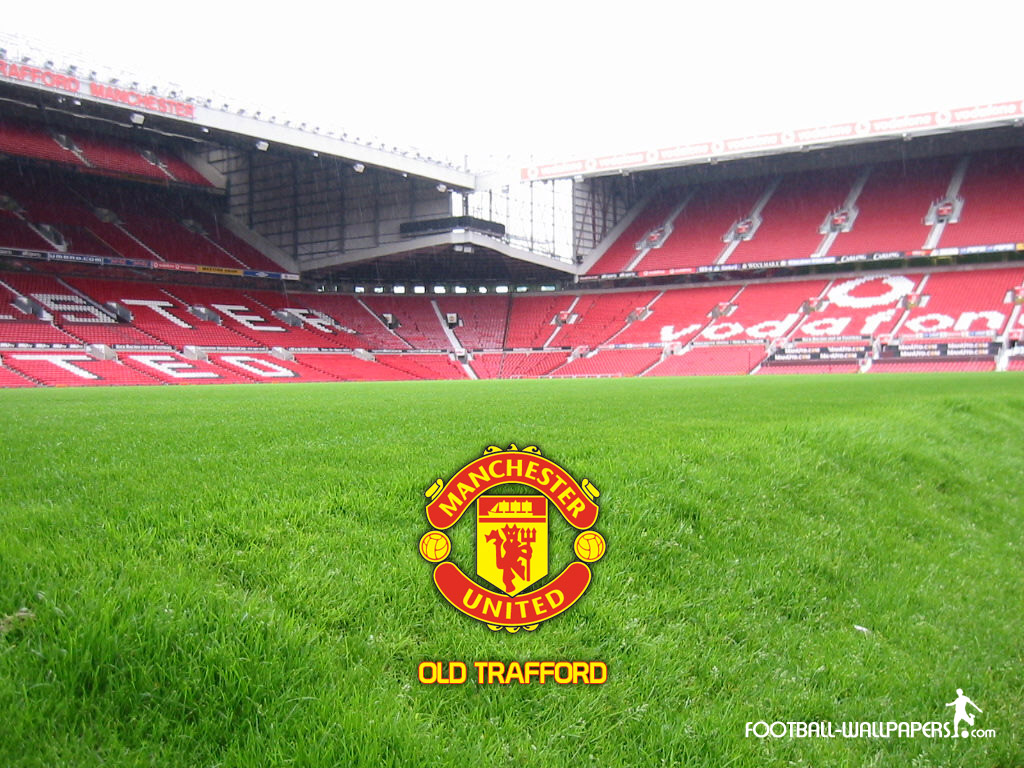 |
||||||||||||||||||||||||||||||||||||||||||||||||||||||||||||||||||||||||||||||||||||||||||||||||||||||||||||||||||||||||||||||||||||||||||||||||||||||||||||||||||||||||||||||||||||||||||||||||||||||||||||||||||||||||||||
|
FORZA LA JUVE ALE ALE!!!!!!!! DRUGHI BIANCONERI.
INTER MERDA!!!!!!! |
||||||||||||||||||||||||||||||||||||||||||||||||||||||||||||||||||||||||||||||||||||||||||||||||||||||||||||||||||||||||||||||||||||||||||||||||||||||||||||||||||||||||||||||||||||||||||||||||||||||||||||||||||||||||||||
|
||||||||||||||||||||||||||||||||||||||||||||||||||||||||||||||||||||||||||||||||||||||||||||||||||||||||||||||||||||||||||||||||||||||||||||||||||||||||||||||||||||||||||||||||||||||||||||||||||||||||||||||||||||||||||||
|
juve eterno amore
Profil člana
Pronađi sve prevode
Pošaljite privatnu poruku
Pronađi postove člana
Dodaj na listu prijatelja
Active member
Pridružen: 06.Ožujak/Mar.2010 Lokacija: Zagreb=Torino Status: Offline Points: 335 |
Opcije posta
Thanks(0)
Citiraj Odgovor
Objavljeno: 17.Travanj/Apr.2010 u 20:34 |
|||||||||||||||||||||||||||||||||||||||||||||||||||||||||||||||||||||||||||||||||||||||||||||||||||||||||||||||||||||||||||||||||||||||||||||||||||||||||||||||||||||||||||||||||||||||||||||||||||||||||||||||||||||||||||
 |
||||||||||||||||||||||||||||||||||||||||||||||||||||||||||||||||||||||||||||||||||||||||||||||||||||||||||||||||||||||||||||||||||||||||||||||||||||||||||||||||||||||||||||||||||||||||||||||||||||||||||||||||||||||||||||
|
FORZA LA JUVE ALE ALE!!!!!!!! DRUGHI BIANCONERI.
INTER MERDA!!!!!!! |
||||||||||||||||||||||||||||||||||||||||||||||||||||||||||||||||||||||||||||||||||||||||||||||||||||||||||||||||||||||||||||||||||||||||||||||||||||||||||||||||||||||||||||||||||||||||||||||||||||||||||||||||||||||||||||
|
||||||||||||||||||||||||||||||||||||||||||||||||||||||||||||||||||||||||||||||||||||||||||||||||||||||||||||||||||||||||||||||||||||||||||||||||||||||||||||||||||||||||||||||||||||||||||||||||||||||||||||||||||||||||||||
|
juve eterno amore
Profil člana
Pronađi sve prevode
Pošaljite privatnu poruku
Pronađi postove člana
Dodaj na listu prijatelja
Active member
Pridružen: 06.Ožujak/Mar.2010 Lokacija: Zagreb=Torino Status: Offline Points: 335 |
Opcije posta
Thanks(0)
Citiraj Odgovor
Objavljeno: 17.Travanj/Apr.2010 u 20:35 |
|||||||||||||||||||||||||||||||||||||||||||||||||||||||||||||||||||||||||||||||||||||||||||||||||||||||||||||||||||||||||||||||||||||||||||||||||||||||||||||||||||||||||||||||||||||||||||||||||||||||||||||||||||||||||||
|
|
||||||||||||||||||||||||||||||||||||||||||||||||||||||||||||||||||||||||||||||||||||||||||||||||||||||||||||||||||||||||||||||||||||||||||||||||||||||||||||||||||||||||||||||||||||||||||||||||||||||||||||||||||||||||||||
|
FORZA LA JUVE ALE ALE!!!!!!!! DRUGHI BIANCONERI.
INTER MERDA!!!!!!! |
||||||||||||||||||||||||||||||||||||||||||||||||||||||||||||||||||||||||||||||||||||||||||||||||||||||||||||||||||||||||||||||||||||||||||||||||||||||||||||||||||||||||||||||||||||||||||||||||||||||||||||||||||||||||||||
|
||||||||||||||||||||||||||||||||||||||||||||||||||||||||||||||||||||||||||||||||||||||||||||||||||||||||||||||||||||||||||||||||||||||||||||||||||||||||||||||||||||||||||||||||||||||||||||||||||||||||||||||||||||||||||||
|
juve eterno amore
Profil člana
Pronađi sve prevode
Pošaljite privatnu poruku
Pronađi postove člana
Dodaj na listu prijatelja
Active member
Pridružen: 06.Ožujak/Mar.2010 Lokacija: Zagreb=Torino Status: Offline Points: 335 |
Opcije posta
Thanks(0)
Citiraj Odgovor
Objavljeno: 17.Travanj/Apr.2010 u 20:38 |
|||||||||||||||||||||||||||||||||||||||||||||||||||||||||||||||||||||||||||||||||||||||||||||||||||||||||||||||||||||||||||||||||||||||||||||||||||||||||||||||||||||||||||||||||||||||||||||||||||||||||||||||||||||||||||
Olimpijski stadion u BerlinuIzvor: Wikipedija(Preusmjereno s Olympiastadion)
Olympiastadion (Olimpijski stadion) je sportski stadion u Berlinu, Njemačka. Dva su stadiona na ovoj lokaciji: sadašnji i onaj stari, koji je sagrađen za potrebe neodržanih Olimpijskih igara 1916. Obadva stadiona su dizajnirana od članova iste obitelji, prvi od oca Otta Marcha, drugi od sina Wernera Marcha. Sadašnji Olympiastadion je sagrađen za Olimpijskih igara 1936. u južnom djelu Reichssportfelda (današnji Olympiapark Berlin). Tijekom Drugog svjetskog rata, stadion se blago oštetio. Nakon rata the area suffered little damage. Nakon rata, vojna okupacija Ujedinjenog Kraljevstva je koristila Reichssportfeld kao svoj stožer, sve do 1994. godine. Olimpijski stadion u Berlinu ima i dugačku povijest i tradiciju. Povjesno, to je stadion berlinskog nogometnog kluba Hertha BSC Berlin. Stadion se koristio i za 3 utakmice Svjetskog nogometnog prvenstva 1974. Na njemu je održano 6 utakmica (uključujući i finale) Svjetskog nogometnog prvenstva 2006. i renoviran je zbog tog razloga. Svake godine, na Olympiastadionu se održava finale DFB-Pokala.
Povijest [uredi]1916. - 1934. [uredi]U 1912. godini, tijekom Olimpijskih igara 1912., Međunarodni olimpijski odbor je odabrao grad Berlin kao domaćina sljedećih Olimpijskih igara. U početku, stadion se trebao sagraditi u šumi Grunewald, zapadni Berlin i poslije je zbog toga stadion bio poznat i kao Grunewaldstadion. Na kraju, odlučeno je da se stadion ne sagradi u Grunewald šumi, već su dali arhitektu Ottu Marchu da odredi lokaciju i sagradi stadion. Odlučio je "pokopati" Erdstadion i tu sagraditi stadion sa kapacitetom od 40,000 sjedala, tada najveći stadion na svijetu. Doduše, Olimpijske igre 1916. na kraju nisu bile održane zbog Prvog svjetskog rata. 1936. [uredi]U 1931. godini, Međunarodni olimpijski odbor je Berlinu dao domaćinstvo XI. Olimpijskih igara 1936. Njemačka vlada je odlučila renovirati stari Olympiastadion iz 1916., sa arhitektom Wernerom Marchom, sinom Otta Marcha. Kada je 1933. godine njemačka Nacionalsocijalistička radnička stranka došla na vlast u Njemačkoj odlučili su iskoristiti Olimpijske igre za propagandne potrebe. Hitler je naredio da se u šumi Grunewald sagradi veliki sportski kompleks imena "Reichssportfeld" sa potpuno novim Olympiastadionom. Arhitekt Werner March je ostao kao glavni u projektu, zajedno sa svojim bratom Walterom Marchom.
Olympiastadion u 1936.
Gradnja se odvijala od 1934. do 1936. Kada je se završila gradnja Reichssportfelda, bio je dug 1.32 km2 i sadržavao je: Olympiastadion, Maifeld i Waldbühne amphitheater, napravljeni za razne vrste sportova kao nogomet, plivanje, hokej na travi, itd. Werner March je sagradio novi Olympiastadion na mjestu starog Deutsches Stadiona, sa strukturom dubokom 12 metara pod zemljom. Kapacitet novog Olympiastadiona je dosegao dao 110,000. Također je sadržavao VIP ložu napravljenu za Adolfa Hitlera i njegove suradnike. Tlocrt stadiona je simetrično dizajniran, a pokraj Maifelda, nalazio se "Marathontor" (maratonski luk) sa velikim spremištem napravljenim za olimpijski plamen. 1939. - 1945. [uredi]Olympiastadion je jedna od rijetkih građevina koja je "preživjela" Drugi svjetski rat, ostao je gotovo netaknut. Jedini napad na njega je bio sa strojnicama. Najpoznatija bitka oko Olympiastadiona je bila u travnju 1945. godine, kada je sovjetska armija htjela okupirati stadion. Ovaj događaj je bio tjekom posljednje bitke Drugog svjetskog rata. Jedini dio Reichssportfelda je toranj Glockenturm na kojem se nalazilo zvono. Treći Reich ga je koristio kao spremnik i arhivu, npr. filmova. sovjetske snage su slučajno pogodile toranj, a toranj je popravljen. U 1947. godini, Britanski inžinjeri su srušili toranj, ali su ga rekonstruirali u 1962. godini. Olimpijsko zvono, koje je preživjelo sovjetski napad, ostao je na tornju. Na dan napada, pao je 77 metara i napukao. 1956., zvono je spašeno i koristilo se kao meta za vježbe protutenkovskog streljiva. Napuklo zvono je ostalo čitavo i danas. [1] 1945. - 1994. [uredi]
Olympiastadion u 1993., u netaknutoj prijeratnoj arhitekturi
Poslije rata, stari Reichssportfeld je korišten kao glavni stožer vojne okupacije Ujedinjenog Kraljevstva. Britanske snage su zasjele u sjeverne građevine koje su sagradili Marchovi potomci, kad ih je Treći Reich koristio za zgrade službenih sportskih organizacija. Uskoro, okupator je počeo pažljivu rekonstrukciju glavnih građevina. Od tata svake godine, sve do 1994., britanske snage su održavale proslave "Dana nezavisnosti"u Maifeldu sa stotinama tisuća gledatelja iz Berlina i ostalih gradova. Tijekom 60-ih godina prošlog stoljeća, američka vojska i srednjoškolske nogometne momčadi su predstavljale američki nogomet građanima Berlina u prijateljskim utakmicama. Tijekom tih godina Bundesligaške utakmica su igrane na Olympiastadionu, kao stadion berlinske Herthe. u Maifeldu, igran je i nogomet, ragbi, te polo. Na ljeto, Waldbühne je nastavio ugošćavati koncerte europske klasične glazbe, kao i prikazivanje filmova. Kazalište je također upotrebljavano i za boksaške utakmice. Restauracija "Glockenturma" je trajala od 1960. do 1962., opet sa arhitektom Wernerom Marchom, koristili su originalne tlocrte. Novi toranj je postao važna turistička destinacija, sa nje se mogla vidjeti panorama Berlin, Spandaua, Havel Valleya, Potsdama, Nauena, i Hennigsdorfa. 1994. - 2005. [uredi]
Olympiastadion u 2005.
U 1998., građani Berlina su raspravljali o sudbini Olympiastadiona i baštini koju on predstavlja za Njemačku. Jedni su htjeli srušiti stadion i sagraditi novi ispačetka, dok su drugi htjeli da se ostane mrviti i sam rušiti, slično kao rimski Kolosej. [2] Na kraju je odlučeno renovirati stadion. Nakon te odluke, FIFA ga je odabrala kao jedan od stadina domaćina Svjetskog prvenstva 2006. Grad Berlin je unajmio konzorcij koji se stastojao od tvrtki WALTER BAU-AG i DYWIDAG koje su dobile 45 milijuna €. Konzorcij je bio zadužen za gradnju stadiona zajedno sa Herthom BSC i berlinskom vladom. 3. srpnja 2000., renovacija je započela sa ceremonijom, koju su predsjedali njemački kancelar Gerhard Schröder, Eberhard Diepgen (gradolnačelnik Berlina), Franz Beckenbauer i Prof. Dr. Ignaz Walter. Renovacija [uredi]Svečano otvaranje najnovijeg Olimpijskog stadiona je održana 31. srpnja i 1. kolovoza 2004. Taj dan, u subotu, počela je proslava sa nastupima Pinka, Nenaa (99 Luftballons) i Daniela Barenboima. Proslava je trajala cijelu noć. Drugi dan, odigrana je prijateljska utakmica između različitih kategorija kluba Hertha BSC i ostalih momčadi. 8. rujna 2004., Brazil je igrao protiv Njemačke. Novi Olympiastadion je imao kapacitet od 76,000 sjedala, to je drugi najveći stadion u Njemačkoj nakon Dortmundskog Signal Iduna Parka, prije zvanog Westfalenstadion. Krov stadiona je dosegao 68 metara iznad sjedala, a napravljen je od transparentnih ploča koje propuštaju sunčevu svjetlost. Zapadni dio (na Maratonskom luku) je otvoren da se vidi "Glockenturm". Olympiastadion je opremljen sa najnovijom svjetlosnom i zvučnom tehnologijom. Sadrži i 113 VIP loža, grupu restorana i dvije podzemne garaže u koje mogu stati i do 630 automobila. Ukupni trošak renoviranja i proširenja stadiona je bio 242 milijuna €. Poznati događaji [uredi]Olimpijske igre 1936. [uredi]
Olympiastadion tijekom Olimpijskih igara
1. kolovoza 1936., Olimpijske igre su svečano otvorene od nacističkog diktatora, Adolfa Hitlera, a olimpijski plamen je nosio atletičar Fritz Schilgen. Dok je olimpijski plamen prvi put upotrebljen u Amsterdamu 1928., tako je i u Berlinu 1936. prvi put upotrebljeno prenošenje olimpijske baklje iz grčke Olimpije. Pređeno je šest granica sa maratonskim putovanjem od 3000 km do Berlina, prolazeći kroz Grčku, Bugarsku, Jugoslaviju, Mađarsku, Čehoslovačku, Austriju i Njemačku. Ideja o nošenju olimpijske baklje je bila od čuvenog političara Carla Diema, koji je bio politički savjetnik nacističkom ministru Josefu Goebbelsu, specijaliziranom za Olimpijska pitanja. Ukupno je prodano četiri milijuna karata za sva sportska događanja na na Olimpijskim igrama 1936. u Berlinu. Ove su igre također bile prve olimpijske igre sa TV prijenosom (25 velikih ekrana je bilo rasuto po cijelom Berlinu) i radio prijenosom u 28 jezika (sa 20 radio kombija i 300 mikrofona). Uz ostala sportska događanja na igrama, najupamćeniji događaj je bio nastup afroameričkog atletičara Jessea Owensa, koji je predstavljao Sjedinjene Američke Države. Owens je osvojio zlatnu medalju u 4 kategorije: 100 metara, 200 metara, skok u vis i 4 x 100 metara štafeta. Olimpijske igre 1936. održane u Olympiastadionu su ovjekovječene u filmu Olympia (1938.) redateljice Leni Riefenstahl. Svjetsko prvenstvo u nogometu 1974. [uredi]Nekoliko utakmica skupine A (Zapadna Njemačka, Čile, Istočna Njemačka i Australija) Svjetskog nogometnog prvenstva 1974. je igrano na Olympiastadionu. Treća utakmica, Australija - Čile, je igrana na jakoj kiši. Domaćin, Zapadna Njemačka, je osvojila prvenstvo.
Svjetsko prvenstvo u nogometu 2006. [uredi]Olympiastadion je odabran za jedne od stadiona Svjetskog prvenstva u nogometu 2006. i odabran je kao stadion za finale, koje je igrano točno 70 godina od Olimpijskih igara 1936. Osim finala, na stadionu je se održavala po jedna utakmica skupina F, B, A i H, te utakmica četvrtfinala.
Panorama stadiona za vrijeme Svjetskog
nogometnog prvenstva 2006.
|
||||||||||||||||||||||||||||||||||||||||||||||||||||||||||||||||||||||||||||||||||||||||||||||||||||||||||||||||||||||||||||||||||||||||||||||||||||||||||||||||||||||||||||||||||||||||||||||||||||||||||||||||||||||||||||
|
FORZA LA JUVE ALE ALE!!!!!!!! DRUGHI BIANCONERI.
INTER MERDA!!!!!!! |
||||||||||||||||||||||||||||||||||||||||||||||||||||||||||||||||||||||||||||||||||||||||||||||||||||||||||||||||||||||||||||||||||||||||||||||||||||||||||||||||||||||||||||||||||||||||||||||||||||||||||||||||||||||||||||
|
||||||||||||||||||||||||||||||||||||||||||||||||||||||||||||||||||||||||||||||||||||||||||||||||||||||||||||||||||||||||||||||||||||||||||||||||||||||||||||||||||||||||||||||||||||||||||||||||||||||||||||||||||||||||||||
|
juve eterno amore
Profil člana
Pronađi sve prevode
Pošaljite privatnu poruku
Pronađi postove člana
Dodaj na listu prijatelja
Active member
Pridružen: 06.Ožujak/Mar.2010 Lokacija: Zagreb=Torino Status: Offline Points: 335 |
Opcije posta
Thanks(0)
Citiraj Odgovor
Objavljeno: 17.Travanj/Apr.2010 u 20:40 |
|||||||||||||||||||||||||||||||||||||||||||||||||||||||||||||||||||||||||||||||||||||||||||||||||||||||||||||||||||||||||||||||||||||||||||||||||||||||||||||||||||||||||||||||||||||||||||||||||||||||||||||||||||||||||||
|
olimpijski stadion
|
||||||||||||||||||||||||||||||||||||||||||||||||||||||||||||||||||||||||||||||||||||||||||||||||||||||||||||||||||||||||||||||||||||||||||||||||||||||||||||||||||||||||||||||||||||||||||||||||||||||||||||||||||||||||||||
|
FORZA LA JUVE ALE ALE!!!!!!!! DRUGHI BIANCONERI.
INTER MERDA!!!!!!! |
||||||||||||||||||||||||||||||||||||||||||||||||||||||||||||||||||||||||||||||||||||||||||||||||||||||||||||||||||||||||||||||||||||||||||||||||||||||||||||||||||||||||||||||||||||||||||||||||||||||||||||||||||||||||||||
|
||||||||||||||||||||||||||||||||||||||||||||||||||||||||||||||||||||||||||||||||||||||||||||||||||||||||||||||||||||||||||||||||||||||||||||||||||||||||||||||||||||||||||||||||||||||||||||||||||||||||||||||||||||||||||||
|
juve eterno amore
Profil člana
Pronađi sve prevode
Pošaljite privatnu poruku
Pronađi postove člana
Dodaj na listu prijatelja
Active member
Pridružen: 06.Ožujak/Mar.2010 Lokacija: Zagreb=Torino Status: Offline Points: 335 |
Opcije posta
Thanks(0)
Citiraj Odgovor
Objavljeno: 17.Travanj/Apr.2010 u 20:42 |
|||||||||||||||||||||||||||||||||||||||||||||||||||||||||||||||||||||||||||||||||||||||||||||||||||||||||||||||||||||||||||||||||||||||||||||||||||||||||||||||||||||||||||||||||||||||||||||||||||||||||||||||||||||||||||
|
|
||||||||||||||||||||||||||||||||||||||||||||||||||||||||||||||||||||||||||||||||||||||||||||||||||||||||||||||||||||||||||||||||||||||||||||||||||||||||||||||||||||||||||||||||||||||||||||||||||||||||||||||||||||||||||||
|
FORZA LA JUVE ALE ALE!!!!!!!! DRUGHI BIANCONERI.
INTER MERDA!!!!!!! |
||||||||||||||||||||||||||||||||||||||||||||||||||||||||||||||||||||||||||||||||||||||||||||||||||||||||||||||||||||||||||||||||||||||||||||||||||||||||||||||||||||||||||||||||||||||||||||||||||||||||||||||||||||||||||||
|
||||||||||||||||||||||||||||||||||||||||||||||||||||||||||||||||||||||||||||||||||||||||||||||||||||||||||||||||||||||||||||||||||||||||||||||||||||||||||||||||||||||||||||||||||||||||||||||||||||||||||||||||||||||||||||
|
juve eterno amore
Profil člana
Pronađi sve prevode
Pošaljite privatnu poruku
Pronađi postove člana
Dodaj na listu prijatelja
Active member
Pridružen: 06.Ožujak/Mar.2010 Lokacija: Zagreb=Torino Status: Offline Points: 335 |
Opcije posta
Thanks(0)
Citiraj Odgovor
Objavljeno: 17.Travanj/Apr.2010 u 20:43 |
|||||||||||||||||||||||||||||||||||||||||||||||||||||||||||||||||||||||||||||||||||||||||||||||||||||||||||||||||||||||||||||||||||||||||||||||||||||||||||||||||||||||||||||||||||||||||||||||||||||||||||||||||||||||||||
|
|
||||||||||||||||||||||||||||||||||||||||||||||||||||||||||||||||||||||||||||||||||||||||||||||||||||||||||||||||||||||||||||||||||||||||||||||||||||||||||||||||||||||||||||||||||||||||||||||||||||||||||||||||||||||||||||
|
FORZA LA JUVE ALE ALE!!!!!!!! DRUGHI BIANCONERI.
INTER MERDA!!!!!!! |
||||||||||||||||||||||||||||||||||||||||||||||||||||||||||||||||||||||||||||||||||||||||||||||||||||||||||||||||||||||||||||||||||||||||||||||||||||||||||||||||||||||||||||||||||||||||||||||||||||||||||||||||||||||||||||
|
||||||||||||||||||||||||||||||||||||||||||||||||||||||||||||||||||||||||||||||||||||||||||||||||||||||||||||||||||||||||||||||||||||||||||||||||||||||||||||||||||||||||||||||||||||||||||||||||||||||||||||||||||||||||||||
|
juve eterno amore
Profil člana
Pronađi sve prevode
Pošaljite privatnu poruku
Pronađi postove člana
Dodaj na listu prijatelja
Active member
Pridružen: 06.Ožujak/Mar.2010 Lokacija: Zagreb=Torino Status: Offline Points: 335 |
Opcije posta
Thanks(0)
Citiraj Odgovor
Objavljeno: 17.Travanj/Apr.2010 u 20:45 |
|||||||||||||||||||||||||||||||||||||||||||||||||||||||||||||||||||||||||||||||||||||||||||||||||||||||||||||||||||||||||||||||||||||||||||||||||||||||||||||||||||||||||||||||||||||||||||||||||||||||||||||||||||||||||||
|
emirates
|
||||||||||||||||||||||||||||||||||||||||||||||||||||||||||||||||||||||||||||||||||||||||||||||||||||||||||||||||||||||||||||||||||||||||||||||||||||||||||||||||||||||||||||||||||||||||||||||||||||||||||||||||||||||||||||
|
FORZA LA JUVE ALE ALE!!!!!!!! DRUGHI BIANCONERI.
INTER MERDA!!!!!!! |
||||||||||||||||||||||||||||||||||||||||||||||||||||||||||||||||||||||||||||||||||||||||||||||||||||||||||||||||||||||||||||||||||||||||||||||||||||||||||||||||||||||||||||||||||||||||||||||||||||||||||||||||||||||||||||
|
||||||||||||||||||||||||||||||||||||||||||||||||||||||||||||||||||||||||||||||||||||||||||||||||||||||||||||||||||||||||||||||||||||||||||||||||||||||||||||||||||||||||||||||||||||||||||||||||||||||||||||||||||||||||||||
|
juve eterno amore
Profil člana
Pronađi sve prevode
Pošaljite privatnu poruku
Pronađi postove člana
Dodaj na listu prijatelja
Active member
Pridružen: 06.Ožujak/Mar.2010 Lokacija: Zagreb=Torino Status: Offline Points: 335 |
Opcije posta
Thanks(0)
Citiraj Odgovor
Objavljeno: 17.Travanj/Apr.2010 u 20:47 |
|||||||||||||||||||||||||||||||||||||||||||||||||||||||||||||||||||||||||||||||||||||||||||||||||||||||||||||||||||||||||||||||||||||||||||||||||||||||||||||||||||||||||||||||||||||||||||||||||||||||||||||||||||||||||||
|
ESTADIO DA LUZ
|
||||||||||||||||||||||||||||||||||||||||||||||||||||||||||||||||||||||||||||||||||||||||||||||||||||||||||||||||||||||||||||||||||||||||||||||||||||||||||||||||||||||||||||||||||||||||||||||||||||||||||||||||||||||||||||
|
FORZA LA JUVE ALE ALE!!!!!!!! DRUGHI BIANCONERI.
INTER MERDA!!!!!!! |
||||||||||||||||||||||||||||||||||||||||||||||||||||||||||||||||||||||||||||||||||||||||||||||||||||||||||||||||||||||||||||||||||||||||||||||||||||||||||||||||||||||||||||||||||||||||||||||||||||||||||||||||||||||||||||
|
||||||||||||||||||||||||||||||||||||||||||||||||||||||||||||||||||||||||||||||||||||||||||||||||||||||||||||||||||||||||||||||||||||||||||||||||||||||||||||||||||||||||||||||||||||||||||||||||||||||||||||||||||||||||||||
|
juve eterno amore
Profil člana
Pronađi sve prevode
Pošaljite privatnu poruku
Pronađi postove člana
Dodaj na listu prijatelja
Active member
Pridružen: 06.Ožujak/Mar.2010 Lokacija: Zagreb=Torino Status: Offline Points: 335 |
Opcije posta
Thanks(0)
Citiraj Odgovor
Objavljeno: 17.Travanj/Apr.2010 u 20:48 |
|||||||||||||||||||||||||||||||||||||||||||||||||||||||||||||||||||||||||||||||||||||||||||||||||||||||||||||||||||||||||||||||||||||||||||||||||||||||||||||||||||||||||||||||||||||||||||||||||||||||||||||||||||||||||||
Parc des PrincesIzvor: Wikipedija(Preusmjereno s Parc des princes)
Parc des Princes ili Park Prinčeva, je stadion u Parizu, Francuska. Stadion je u početku bio "velodrome" (stadion za prateći biciklizam) i bio je na cilj utrke Tour de France od 1903. godine, sve do rušenja staze. Danas, Parc des Princes je nogometni stadion sa kapacitetom od 48,712 sjedala, a koristi ga Paris Saint-Germain (PSG). Bio je i nacionalni stadion do izgradnje Stade de Francea, koji je sagrađen za Svjetskog prvenstva u nogometu 1998. Stadion i teren pripada vlasniku, gradu Parizu. Ime stadiona, Park Prinčeva (Parc des Princes), je ujedno i ime okolnog područja iz 18. stoljeća, kada je ono bilo šuma kraljevske obitelji. |
||||||||||||||||||||||||||||||||||||||||||||||||||||||||||||||||||||||||||||||||||||||||||||||||||||||||||||||||||||||||||||||||||||||||||||||||||||||||||||||||||||||||||||||||||||||||||||||||||||||||||||||||||||||||||||
|
FORZA LA JUVE ALE ALE!!!!!!!! DRUGHI BIANCONERI.
INTER MERDA!!!!!!! |
||||||||||||||||||||||||||||||||||||||||||||||||||||||||||||||||||||||||||||||||||||||||||||||||||||||||||||||||||||||||||||||||||||||||||||||||||||||||||||||||||||||||||||||||||||||||||||||||||||||||||||||||||||||||||||
|
||||||||||||||||||||||||||||||||||||||||||||||||||||||||||||||||||||||||||||||||||||||||||||||||||||||||||||||||||||||||||||||||||||||||||||||||||||||||||||||||||||||||||||||||||||||||||||||||||||||||||||||||||||||||||||
|
Odgovori
|
Stranica 12> |

|
| Pređi na drugi Forum | Forumska ovlašćenja Vi ne možete objavljivati nove teme na ovom forumu Vi ne možete odgovarati na teme Vi ne možete brisati vaše poruke Vi ne možete urediti svoje poruke Vi ne možete dodati anketu Vi ne možete glasati u anketi |


 Opcije teme